
India’s workforce is experiencing a major shift, driven by economic growth, technology, and social changes. With over 1.4 billion people, India has one of the largest labor pools in the world, yet employment opportunities remain limited, revealing a pressing need for skill development. A large portion of the workforce lacks the practical skills required for modern industries, particularly in technology, manufacturing, and services. This gap between education and employability highlights the importance of targeted skill-building initiatives.
The Evolution of Skill Development in India: From Training to “Skill-as-a-Service”
The workforce landscape in India is undergoing a profound transformation in 2026, shifting focus from “how many people are trained” to “how effectively they are employed.” The Skill India Mission, particularly under the latest PMKVY 4.0 framework, has embraced demand-driven training strategies, delivering National Skill Qualification Framework (NSQF)-aligned programs directly at industrial sites. This approach ensures that training is closely linked to employment outcomes rather than just course completion.
Growth in Employability
The India Skills Report 2026 highlights a nearly 10-percentage point increase in employability over the past four years, signaling the success of these targeted efforts. By integrating real-world industry requirements into skill programs, India is not just producing graduates—it is producing job-ready professionals.
Technological Integration
Digital learning platforms are now central to India’s skill development strategy. The Skill India Digital Hub (SIDH) provides free, multilingual online training in high-demand areas such as AI, robotics, and coding, enabling millions to acquire in-demand skills from anywhere in the country.
Sector-Specific Talent Needs
High-growth sectors like Technology, BFSI, Manufacturing, Renewable Energy, and Healthcare are increasingly prioritizing certified, specialized skills over traditional academic qualifications. This shift emphasizes practical competency and job readiness, making vocational training a key driver of economic growth.
Catalysts of Workforce Transformation
Several initiatives are accelerating this evolution:
PM–SETU (Pradhan Mantri Skilling and Employability Transformation through Upgraded ITIs): Launched in 2025 with an investment of ₹60,000 crore, this scheme modernizes 1,000 government ITIs using a hub-and-spoke model, creating cutting-edge training centers across the country.
National Apprenticeship Promotion Scheme (NAPS) 2.0: Registrations reached 3.06 million in FY26, reinforcing the “earn while you learn” model and providing students with practical, paid industry experience.
Industry-Academia Collaboration: Companies are co-developing curricula to ensure skills match industry demands. For example, AVGC Content Creator Labs are being introduced in 15,000 schools to nurture talent for India’s creative technology sector.
FutureSkills PRIME: In partnership with NASSCOM, this initiative focuses on upskilling professionals in AI, AR/VR, and emerging technologies to meet global talent demands.
High-Impact Sectors in 2026
AI & Digital Economy: India now accounts for 16% of global AI talent, with high demand for roles in SQL, Python, cloud computing, and data analytics.
Healthcare & Care Economy: National apprenticeship programs are developing over 30 caregiving roles, aiming to train 1.5 lakh caregivers for domestic and international employment.
Tourism & Hospitality: Collaborations with IIMs are piloting programs to upskill tourist guides and hospitality professionals, enhancing India’s service quality.
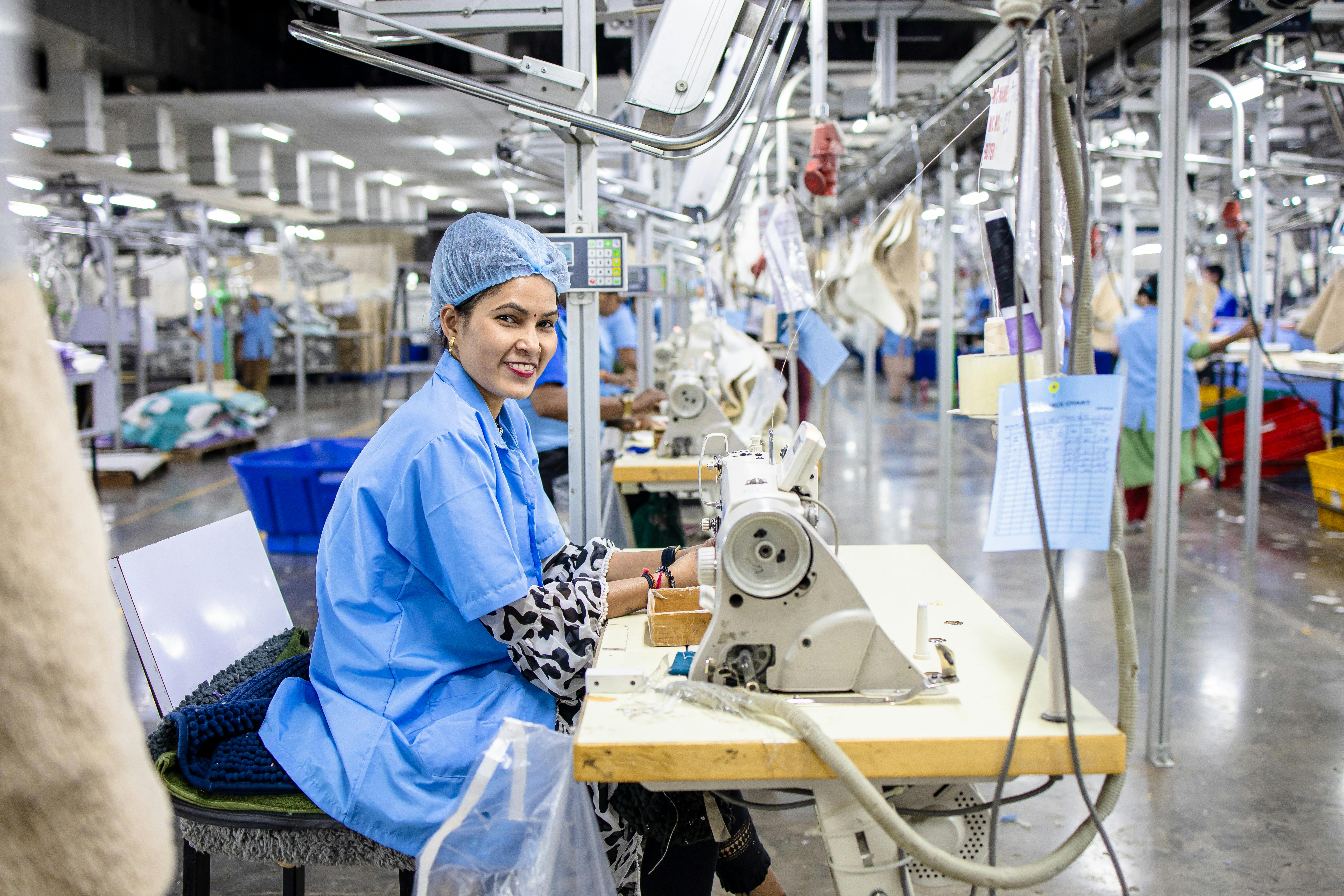
Manufacturing & Textiles: Mega Textile Parks and Industry 4.0 centers, such as the ‘SRUJAN’ initiative in Nagaland, are driving innovation in advanced manufacturing.
Challenges and Opportunities
Despite notable progress, several challenges remain:
Bridging the Gender Gap: Encouraging greater female participation in STEM and high-tech sectors remains a priority.
Rural and Regional Outreach: Expanding high-quality training infrastructure beyond Tier-1 cities is essential to ensure equitable access and prevent metro congestion.
Soft Skills & Critical Thinking: Complementing technical training with communication, teamwork, and problem-solving skills is vital for producing well-rounded professionals.
Conclusion
India’s skill development ecosystem is rapidly evolving from mass training to a more strategic, employment-focused model. By integrating technology, industry insights, and practical learning, initiatives like PMKVY 4.0 and SIDH are producing a workforce equipped to meet the demands of a modern economy. Expanding access, addressing gaps, and enhancing soft skills will ensure that India not only trains its workforce but also prepares it to thrive in the global marketplace.