
Education is undergoing a profound transformation as innovative learning reshapes traditional teaching methods. This modern approach focuses on flexibility, adaptability, and a learner-centered experience, moving beyond rigid systems to create more engaging and effective educational environments. By prioritizing students’ needs, innovative learning empowers individuals to actively participate in and take ownership of their education.
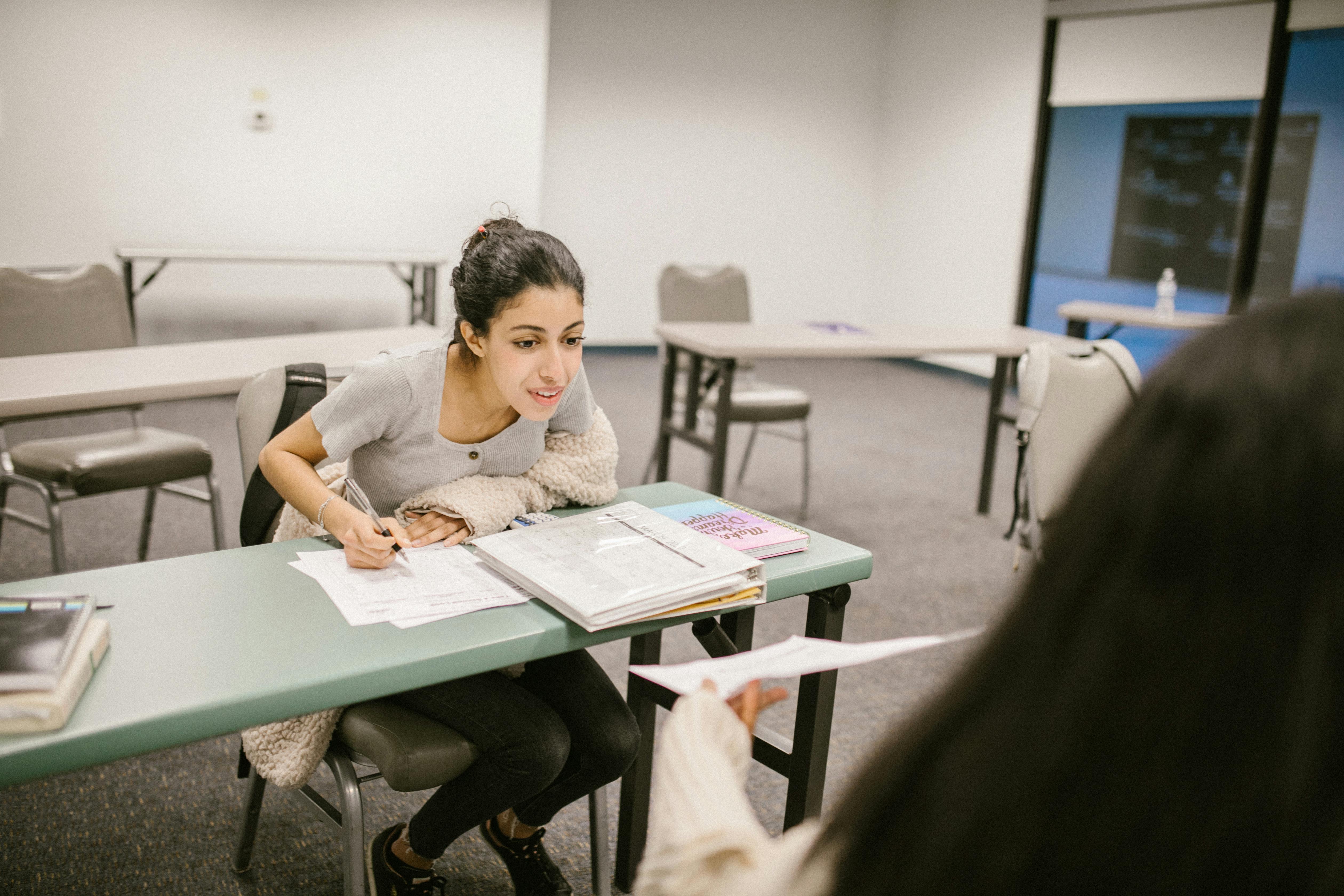
Understanding Innovative Learning
At its core, innovative learning emphasizes adaptability in teaching and learning processes. Educators are encouraged to adjust their methods based on classroom dynamics, student feedback, and emerging technologies. This flexibility allows for more inclusive and personalized learning experiences.
Equally important is adaptability, which enables both educators and students to evolve alongside changing educational demands. As new tools and research emerge, innovative learning supports continuous improvement and encourages curiosity, creativity, and critical thinking.
Emerging Trends in Learning Approaches
Modern education is increasingly adopting dynamic teaching strategies that enhance engagement and understanding:
- Project-based learning: Students work on real-world problems, developing critical thinking, collaboration, and problem-solving skills.
- Experiential learning: Learning through hands-on activities allows students to connect theory with practice, improving retention and comprehension.
- Technology-enhanced learning: Digital tools, online platforms, and interactive resources provide diverse ways to engage learners and support different learning styles.
These approaches shift education away from passive memorization toward active participation, making learning more meaningful and effective.
The Role of Technology in Education
Technology has become a driving force behind educational innovation. Online learning platforms enable easy access to resources and support flexible learning schedules. Educational applications offer interactive experiences, instant feedback, and collaborative opportunities.
Additionally, immersive technologies such as virtual reality create engaging environments where students can explore complex concepts in a practical way. These advancements not only improve understanding but also make education more accessible to learners regardless of location.
Global Examples of Innovative Learning
Countries around the world are adopting innovative learning practices with notable success:
- Finland emphasizes student-centered education, focusing on creativity, collaboration, and minimal standardized testing.
- India has implemented programs targeting foundational skills using technology and community-based approaches, improving learning outcomes in underserved areas.
- New Zealand promotes play-based and holistic learning in early education, encouraging exploration and social development.
These examples highlight the importance of tailoring educational innovation to cultural and social contexts.
Challenges to Implementation
Despite its benefits, innovative learning faces several obstacles:
- Limited funding for technology and infrastructure
- Insufficient teacher training in modern teaching methods
- Resistance to change from traditional educational systems
- System constraints such as standardized testing and large class sizes
Addressing these challenges requires investment, professional development, and a willingness to embrace new approaches.
Impact on Student Outcomes
Innovative learning has shown positive effects on student performance and development. Students in modern learning environments tend to be more motivated, engaged, and confident in their abilities. These methods also enhance critical thinking, creativity, and problem-solving skills—qualities essential for success in today’s world.
By encouraging active participation and independent thinking, innovative learning prepares students to navigate complex real-world challenges.
The Future of Education
Education is becoming more personalized and flexible, with trends like tailored learning paths, lifelong learning, blended models, and skill-based training shaping the future. These changes aim to make learning more inclusive, practical, and better aligned with evolving workforce needs.
Building a Culture of Innovation in Education
Creating a sustainable culture of innovation in education requires collaboration and openness to change. Schools should encourage experimentation, support teacher development, and promote teamwork across disciplines. Feedback from students and educators should guide continuous improvement.
Recognizing and celebrating innovation also plays a key role in motivating educators and learners to explore new ideas and approaches.
Conclusion
Innovative learning is redefining education by making it more flexible, engaging, and relevant to modern needs. Embracing these changes allows education systems to better serve diverse learners and prepare them for future challenges. By fostering adaptability, collaboration, and continuous growth, education can evolve into a more effective and inclusive system that benefits individuals and society as a whole.