
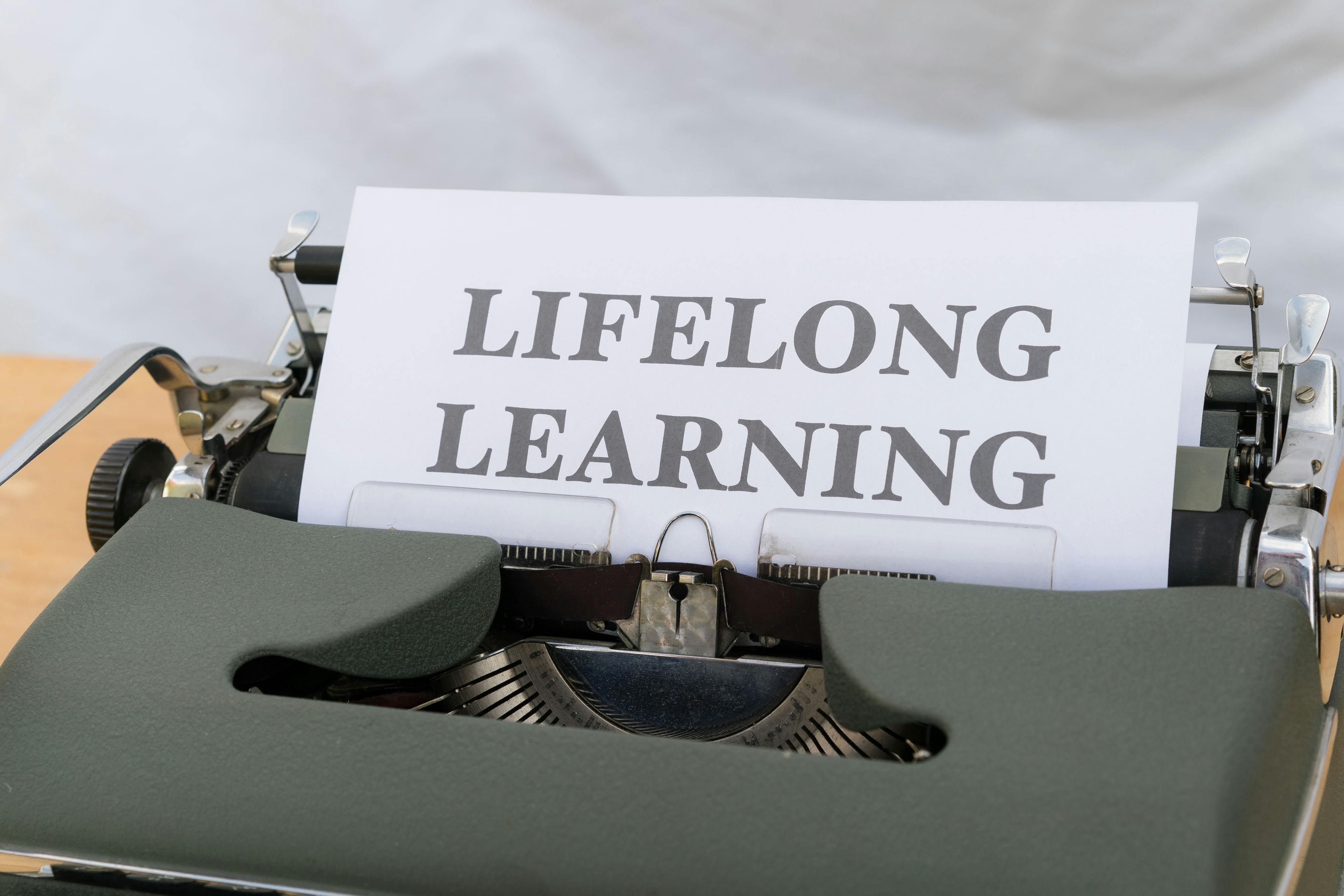
Lifelong learning refers to the ongoing, voluntary, and self-motivated pursuit of knowledge for personal or professional development. In today’s fast-paced world, education is no longer a finite process that ends with a degree. Rapid technological advancements and evolving job markets require individuals to continually update their skills. Embracing lifelong learning has become essential for adapting to change and achieving personal growth.
The Benefits of Lifelong Learning
Engaging in lifelong learning provides more than just professional competitiveness. Continuous education enhances adaptability, creativity, and critical thinking—skills that are invaluable in a constantly changing world. Professionals often face the need to acquire new competencies not covered in their formal education, making continuous learning essential for staying relevant. Lifelong learning also cultivates informed citizens capable of contributing meaningfully to society, while organizations that encourage learning benefit from innovation and improved workforce performance.
Why Learning Continues Beyond a Degree
Adapting to the Changing Job Market
The modern job market has undergone profound changes due to automation, technology, and globalization. Many traditional roles are being replaced by machines, emphasizing the need for skills in problem-solving, creativity, and critical thinking. Globalized business operations demand diverse skill sets, including cultural awareness and collaboration across international teams. Individuals who embrace continuous education are better prepared to meet these dynamic demands, remain competitive, and secure promising career opportunities.
Technology’s Role in Lifelong Learning
Technology has revolutionized education, making lifelong learning more accessible than ever. Online courses, webinars, and digital resources allow learners to study at their own pace, balancing education with work and personal commitments. Platforms such as Coursera, edX, and Udacity offer high-quality content from industry experts, while webinars and online forums facilitate interaction and knowledge sharing. Digital tools empower individuals to continuously update their skills, making education a lifelong endeavor.
Professional and Personal Advantages
Lifelong learning improves employability, adaptability, and innovation. Professionals who pursue ongoing education stay competitive and develop resilience in response to industry changes. Personal benefits include increased confidence, creativity, and critical thinking skills, which enhance overall life satisfaction. Learning new skills, such as a language or technical competency, broadens horizons and opens opportunities for personal and professional enrichment.
Learning Beyond Traditional Education
Education today extends beyond formal institutions. Community workshops, online certifications, and self-directed learning provide practical, flexible opportunities for growth. Workshops offer hands-on experience and networking opportunities, while online certifications signal a commitment to continuous skill development. Self-directed learning fosters autonomy, allowing individuals to explore topics aligned with their interests and career goals. Mentorship and informal learning further enrich this process by providing guidance and real-world insights.
Overcoming Challenges in Lifelong Learning
Despite its benefits, lifelong learning can face obstacles such as financial constraints, limited time, and unequal access to resources. Scholarships, grants, and employer-sponsored programs can help overcome financial barriers. Flexible online courses make learning more feasible for busy adults, while libraries and digital platforms expand access to educational resources. With proactive strategies, these challenges can be mitigated, allowing continuous personal and professional growth.
Creating a Personal Learning Plan
A structured learning plan helps individuals achieve lifelong learning goals. Start by defining clear objectives aligned with career or personal aspirations. Conduct a self-assessment to identify strengths and areas for improvement. Next, select suitable learning opportunities—online courses, workshops, webinars, or podcasts—and establish a timeline with milestones to track progress. This approach ensures focused, organized, and measurable advancement in knowledge and skills.
The Future of Education and Lifelong Learning
Education is evolving to meet the needs of a rapidly changing world. Modular learning, micro-credentials, and online programs provide flexible pathways beyond traditional degrees. Employers increasingly value practical skills and experiences, encouraging ongoing employee development. Technology further democratizes education, enabling learners worldwide to pursue knowledge anytime and anywhere. Lifelong learning is becoming a standard for professional advancement and personal enrichment in the modern era.
Conclusion: Embracing Lifelong Learning as a Mindset
Lifelong learning is no longer optional—it is a necessary mindset for personal and professional success. Education extends beyond classrooms, degrees, and formal programs, encompassing a continuous journey of growth. By embracing lifelong learning, individuals remain adaptable, enhance creativity, and cultivate critical thinking skills. This mindset fosters resilience, curiosity, and a proactive approach to challenges, enabling lifelong personal and career development.
In today’s dynamic world, committing to lifelong learning ensures not only professional relevance but also personal fulfillment, making it a cornerstone of modern education and growth.
