
Personalized learning tailors education to each student’s unique needs, pace, and learning style, fostering engagement, critical thinking, and autonomy. Unlike traditional one-size-fits-all methods, it empowers students to set goals, work at their own pace, and access resources suited to them, creating a sense of ownership over their learning. Technological advancements—such as AI-driven platforms, adaptive assessments, and data analytics—enable educators to monitor progress in real time and deliver customized instruction, ensuring students receive effective, individualized support that enhances both understanding and academic success.
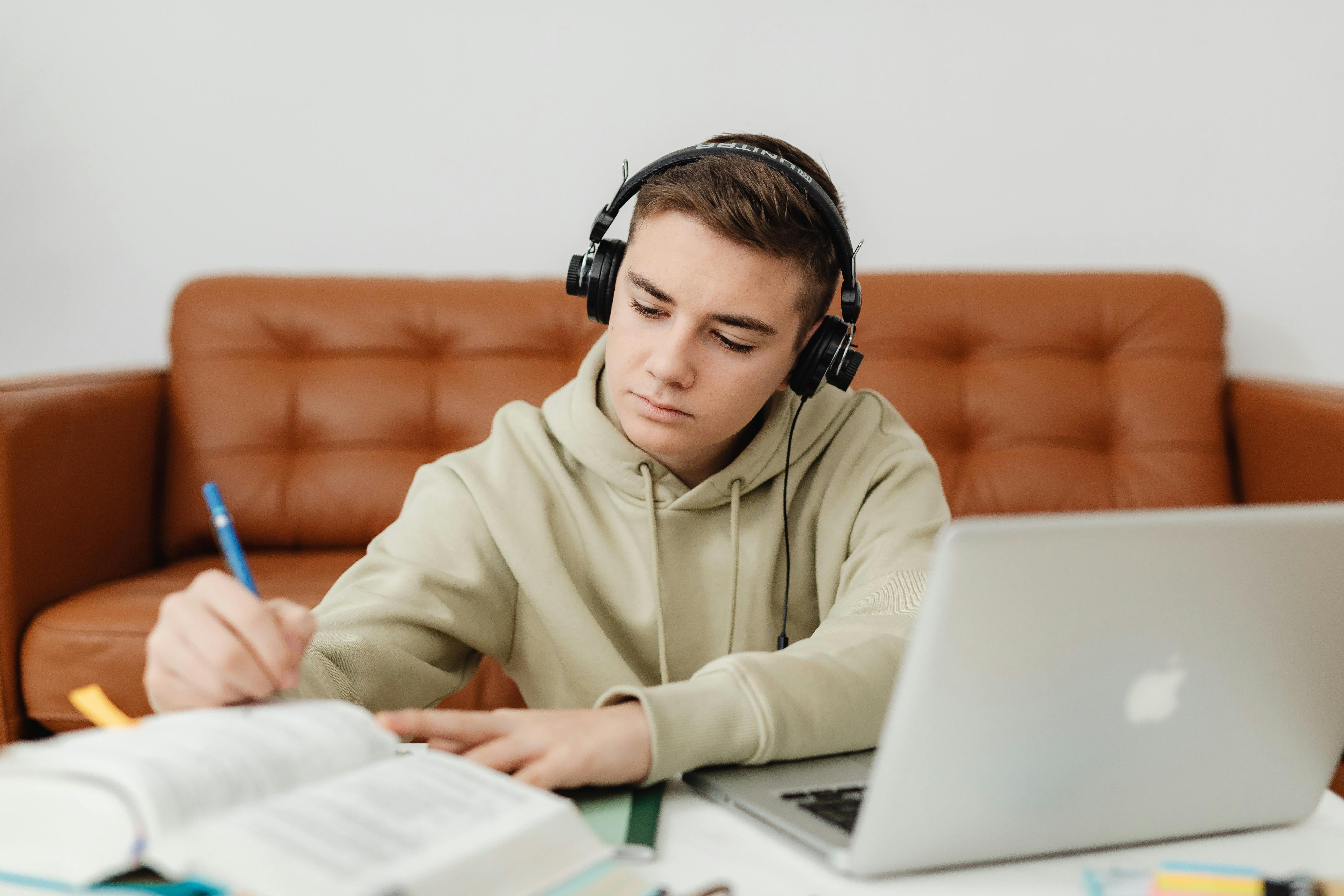
Adaptive Technology: Revolutionizing the Classroom
Adaptive technology is redefining education by moving away from one-size-fits-all methods. AI-driven learning platforms continuously assess student performance and adjust content to match individual learning levels, preventing boredom from overly simple material and frustration from overly complex lessons. Intelligent tutoring systems provide immediate, personalized feedback, while gamification and interactive elements boost engagement, making learning both effective and enjoyable.
For educators, adaptive technology offers insights into student progress that were previously difficult to obtain. This data-driven approach enables teachers to deliver tailored instruction, intervene when necessary, and foster an environment where every student’s learning trajectory is recognized and supported. The integration of personalized learning and adaptive technology is reshaping classrooms into more inclusive, responsive, and engaging spaces.
Emerging Trends in Personalized Learning
In 2026, several key trends are shaping the field of personalized learning:
-
Data-Driven Instruction: Educators increasingly rely on analytics to identify strengths, weaknesses, and learning patterns, enabling a customized approach to instruction.
-
Virtual Reality (VR): Immersive VR experiences allow students to explore complex concepts, conduct experiments, or participate in historical reenactments, catering to multiple learning styles.
-
Gamification: Game-like elements such as rewards, challenges, and leaderboards enhance motivation and make learning interactive and fun.
-
Hybrid Learning Models: Combining traditional instruction with adaptive tools ensures students progress at their own pace while maintaining engagement and accountability.
These trends collectively foster deeper understanding, higher engagement, and improved academic outcomes by aligning instruction with each student’s needs and preferences.
Benefits of Personalized Learning
The integration of adaptive technology into personalized learning offers numerous advantages:
-
Improved Engagement: Students are more invested in learning when the material matches their pace and style.
-
Better Retention: Tailored lessons and feedback help students grasp concepts more effectively, promoting long-term understanding.
-
Higher Satisfaction: Learners experience a more relevant and fulfilling educational journey.
-
Enhanced Achievement: Targeted interventions support students in overcoming challenges, resulting in measurable academic improvements.
By creating individualized pathways, personalized learning ensures that students are equipped not only to succeed in school but also to develop skills essential for future careers.
Challenges and Considerations
While personalized learning holds great promise, several challenges must be addressed:
-
Equity and Access: Not all students have equal access to technology, potentially widening the digital divide. Schools must provide devices and internet access to ensure inclusivity.
-
Privacy Concerns: Adaptive platforms collect large amounts of student data, requiring robust protections and compliance with privacy regulations.
-
Teacher Training: Effective implementation depends on educators understanding both the technology and its pedagogical implications. Continuous professional development is essential.
Addressing these challenges is critical to ensuring that personalized learning is effective, equitable, and safe for all students.
The Role of Educators
In personalized learning environments, educators are transitioning from content deliverers to facilitators of individualized knowledge. They guide students in self-directed learning, use adaptive tools to understand performance patterns, and provide real-time, tailored feedback. Teachers also foster critical thinking, collaboration, and student agency, ensuring that learners develop both academic proficiency and practical skills for future success.
Future Predictions: Education in the Next Decade
Over the next ten years, personalized learning will continue to evolve:
-
AI-Driven Instruction: Platforms will provide real-time analysis and predictive insights for tailored learning.
-
Data Analytics: Schools will leverage data to refine curriculum design and instructional strategies.
-
Collaborations with Tech Companies: Partnerships will drive innovation in adaptive platforms, VR, and AR-enabled immersive learning experiences.
Personalized learning through adaptive technology is expected to become the standard, equipping students with critical thinking, creativity, and collaboration skills for an increasingly complex world.
Conclusion: Embracing Personalized Learning
Personalized learning, supported by adaptive technology, represents a transformative approach to education. By tailoring instruction to individual student needs, schools can enhance engagement, improve outcomes, and prepare learners for future challenges. For educators, students, and policymakers, embracing this approach is not optional—it is essential for fostering an inclusive, effective, and forward-looking education system.
By prioritizing personalized learning, we can ensure that every student receives an education that nurtures their strengths, addresses their challenges, and equips them to thrive in the modern world.
