
As technology advances at an unprecedented pace, the way we work is undergoing dramatic transformation. Tasks that were once performed manually by humans are increasingly being automated or handled by sophisticated software. This shift highlights a critical need: students must develop skills that match the demands of a technology-driven workforce. The question is, how can we best prepare them to succeed in this rapidly changing landscape? In this article, we explore actionable strategies to equip students with the knowledge, skills, and mindset necessary to thrive in careers where technology plays a central role.

The Importance of Getting Ready for a Technology-Driven Workforce
Technology is no longer confined to IT departments—it’s transforming industries across the board. Marketing professionals rely on digital tools and analytics to reach audiences effectively. Healthcare providers use advanced software to manage patient care and medical devices. Even jobs that once required minimal technical knowledge now demand familiarity with digital tools and data. Preparing students for this reality ensures they remain competitive and ready to meet the challenges of the modern workforce.
The Role of Technology in Shaping Modern Jobs
Before students can be fully prepared, it’s essential to understand how technology is reshaping jobs today. Some key trends include:
- Automation:
Many tasks that were once repetitive or manual are now being handled by machines or software. In factories, robots assemble products with precision and speed. In offices, automated systems handle data entry, scheduling, and customer support through AI chatbots. Automation increases efficiency but also requires workers to focus on skills that cannot easily be automated, such as creative problem-solving and strategic thinking. - Software Integration:
Almost every business today relies on software tools to function effectively. From managing sales and inventory to tracking marketing campaigns, software is integral to daily operations. Students need to be comfortable navigating these systems and understanding how they support business goals. - Data Skills:
Data has become the backbone of decision-making in the modern workplace. Professionals need to collect, analyze, and interpret data to guide strategies and measure success. Whether it’s understanding consumer behavior, evaluating operational efficiency, or predicting future trends, the ability to work with data is increasingly essential.
Understanding these trends highlights why students must develop technical proficiency and a mindset that embraces continuous adaptation and learning.
Strategies to Prepare Students for a Tech-Driven Future
Teach Technology Skills Early
- Coding and Programming: Learning to code helps students understand how software works and gives them the ability to develop apps, websites, and even their own software solutions. Programming also fosters logical thinking, problem-solving, and perseverance. Languages like Python, JavaScript, and Java are particularly valuable starting points.
- Computer Literacy: Beyond coding, students should be proficient in common tools such as spreadsheets, word processors, presentation software, and collaborative platforms like Google Workspace or Microsoft Office 365. Mastery of these tools increases productivity and makes students workplace-ready.
- Data Analysis: Students should learn how to analyze datasets to draw insights and make informed decisions. This skill is essential across industries, from marketing and finance to healthcare and logistics. Tools like Excel, Tableau, or Power BI can be introduced to provide hands-on experience.
By instilling these skills early, students develop confidence in using technology and an understanding of how it can solve real-world problems.
Connect Learning to Real-World Applications
- Internships and Apprenticeships: Working with companies or startups allows students to see the practical applications of their skills. They gain exposure to real projects, workflows, and challenges that prepare them for future careers.
- Practical Projects: Assigning projects that solve real problems, such as creating a website for a local business or analyzing consumer data, allows students to apply their knowledge while developing problem-solving and critical thinking skills.
- Simulations and Labs: Virtual labs or simulation software can replicate workplace scenarios, helping students practice without real-world risk. For example, students in engineering might simulate production processes or software testing environments.
Hands-on experience bridges the gap between classroom learning and workplace expectations, making students more adaptable and job-ready.
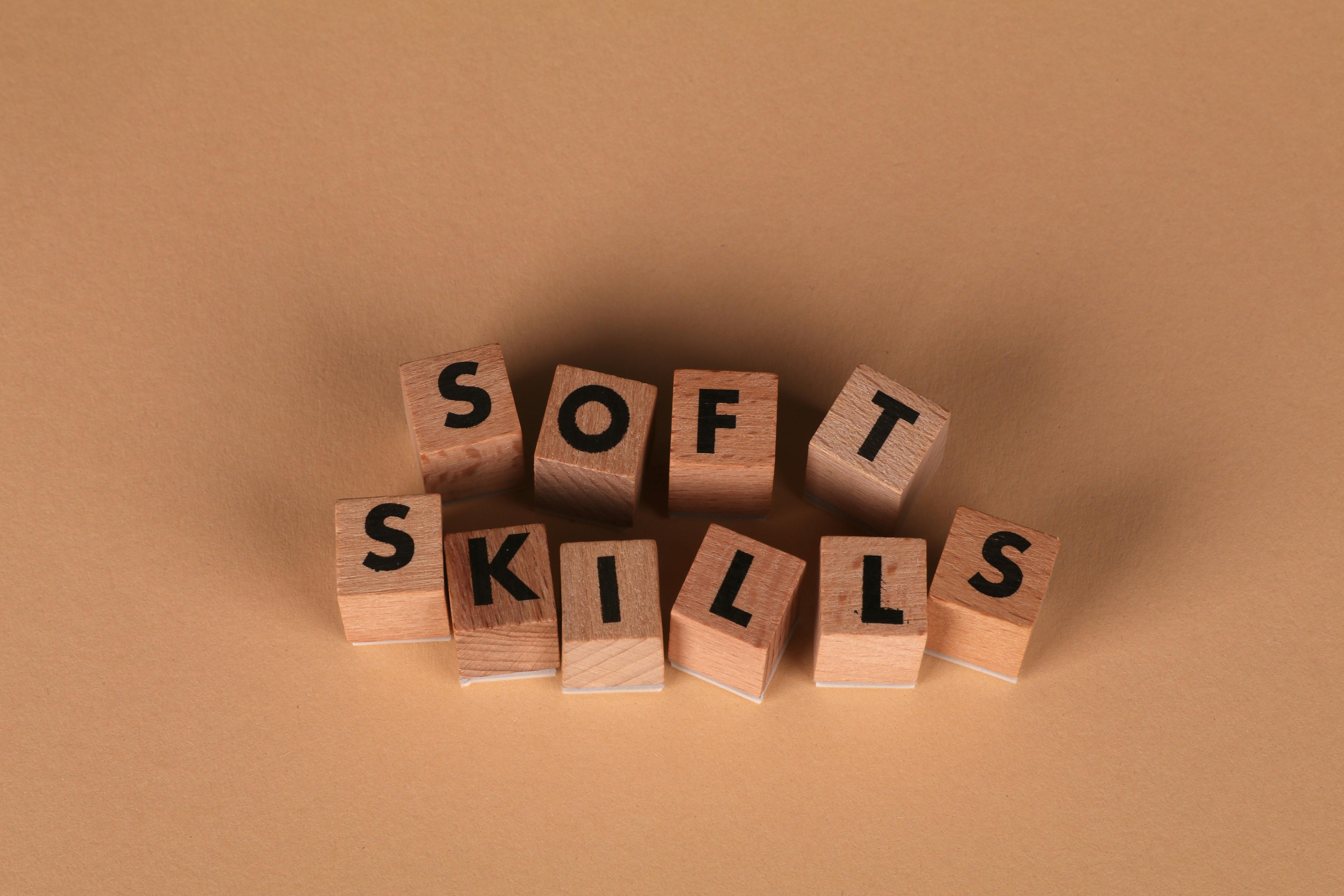
Develop Soft Skills Alongside Tech Skills
Even in a tech-dominated world, soft skills remain invaluable.
- Communication: Clear communication is essential for collaboration, presenting ideas, and leadership. Students should practice both written and verbal communication, including the use of digital communication platforms.
- Teamwork: Most modern workplaces operate in collaborative teams. Students should learn to work effectively with diverse groups, share responsibilities, and contribute constructively to group projects.
- Problem-Solving and Adaptability: With technology constantly evolving, students must be able to think critically, adapt to new tools, and solve complex problems. Exercises that encourage creativity, brainstorming, and iterative design help strengthen these abilities.
A strong foundation in soft skills complements technical knowledge and prepares students for leadership and collaborative roles in any organization.
Encourage Lifelong Learning
The pace of technological change means that skills learned today may become obsolete in a few years. Encouraging a mindset of continuous learning is vital.
- Online Learning Platforms: Resources like Coursera, Udemy, and edX allow students to stay updated on emerging technologies and acquire new skills even after graduation.
- Certifications: Earning certifications in specific technologies or software demonstrates expertise to potential employers and enhances employability. Certifications in areas like cloud computing, data analytics, or cybersecurity are highly valued in many industries.
- Workshops and Seminars: Attending industry events and workshops exposes students to new ideas, tools, and trends, keeping them connected to the professional world.
Stay Informed About Industry Trends
Being aware of technological advancements and industry trends enables students to anticipate changes and position themselves for success.
- Tech News and Forums: Following tech news, subscribing to industry newsletters, and participating in professional forums helps students stay informed.
- Mentorship and Networking: Connecting with industry professionals provides guidance, insights, and potential career opportunities. Mentors can help students understand real-world applications of their skills and prepare for future challenges.
- Emerging Technologies: Students should be encouraged to explore innovations such as artificial intelligence, blockchain, robotics, and the Internet of Things (IoT). Understanding these technologies and their applications can open new career paths and entrepreneurial opportunities.
Promote Creativity and Innovation
In a tech-driven economy, creativity is a key differentiator. Students should be encouraged to innovate and think outside the box:
- Creative Problem-Solving: Encourage students to propose new solutions, experiment, and iterate. This mindset helps them adapt to challenges and seize opportunities.
- Hackathons and Competitions: Participating in coding competitions, hackathons, and innovation challenges fosters collaboration, experimentation, and the application of knowledge in practical contexts.
- Entrepreneurial Mindset: Students should be encouraged to identify problems, brainstorm solutions, and explore startup ideas. This approach nurtures leadership, innovation, and resilience.
Conclusion
The job market is evolving rapidly, and technology is at the heart of this transformation. Preparing students for this environment requires a balance of technical expertise, soft skills, real-world experience, and a mindset of continuous learning. By fostering these abilities, educators can help students thrive in careers shaped by technology, giving them the tools to succeed in an ever-changing world.