
As the job market evolves at an unprecedented pace, the conversation around skill-based learning versus traditional degree programs has gained renewed relevance. Both paths aim to prepare individuals for professional success, yet they differ in focus, approach, and the type of value they provide to learners and employers alike. Skill-based learning emphasizes practical, hands-on competencies that can be directly applied in real-world scenarios, while degree-based education offers structured academic knowledge and theoretical grounding across a discipline.
Why Skill-Based Learning is Gaining Momentum
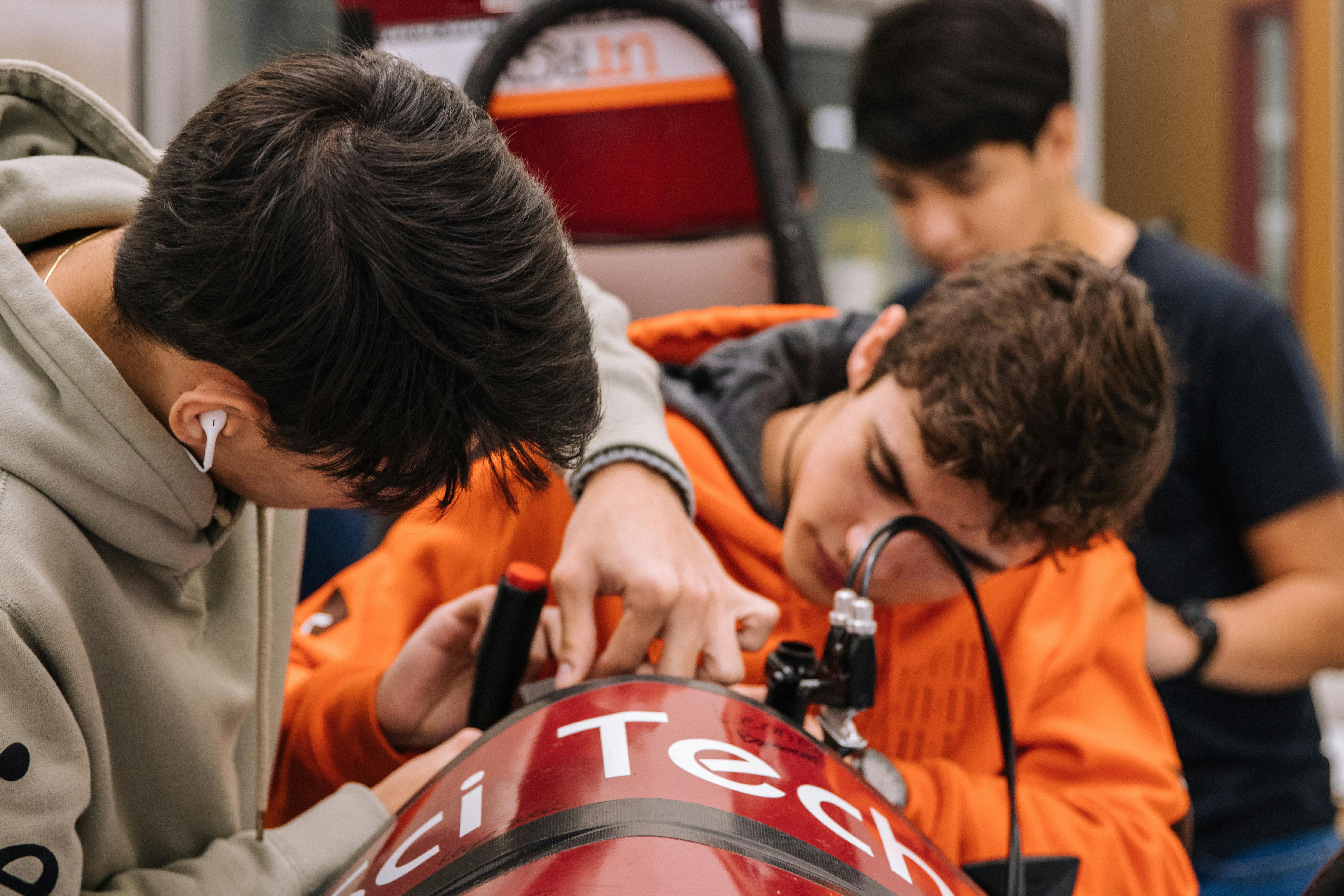
In recent years, skill-based learning has gained prominence as industries prioritize practical expertise over formal degrees. Fields like technology, digital marketing, data analytics, and AI increasingly demand specialized skills, often best acquired through workshops, online courses, boot camps, or apprenticeships. Employers now emphasize portfolios, project experience, and hands-on proficiency, making demonstrated skills more valuable than diplomas in many hiring decisions.
-
Focus: Practical application, hands-on projects, and industry-specific tools
-
Advantages: Cost-effective, time-efficient, and closely aligned with current market needs
-
Ideal For: Technology, creative industries, marketing, and rapid career transitions
The Enduring Significance of Degree-Based Education
Degree-based education remains vital for those seeking in-depth knowledge and structured learning in a field. Beyond theoretical understanding, degrees develop critical thinking, research, and problem-solving skills, while also providing networking, mentorship, and industry connections. Many professions—like medicine, law, engineering, and academia—require formal qualifications, and degree programs also help cultivate essential soft skills such as communication, teamwork, and leadership.

-
Focus: Structured learning, theory, critical thinking, and mental discipline
-
Advantages: Widely recognized credentials, networking prospects, and eligibility for high-level positions
-
Ideal For: Professions requiring formal accreditation and long-term career growth
Skills, Degrees, and Career Trajectories
The impact of skill-based learning and degree-based education on career outcomes differs in timing and scope. Skill-based learners often enter the workforce quickly, as their abilities can be applied immediately. Certifications in IT, coding, digital marketing, or other specialized areas can result in high placement rates and competitive starting salaries, particularly in tech-driven industries.Degree holders may initially take longer to secure employment, yet they benefit from broader career options and long-term advancement potential.
What Employers Really Value
Modern employers recognize the complementary benefits of skills and degrees. While a degree demonstrates foundational understanding, applied competencies signal readiness to contribute immediately. Internships, apprenticeships, project work, and portfolios are increasingly used to evaluate candidates’ abilities in real-world settings.In competitive industries, candidates who blend both approaches—possessing strong theoretical knowledge along with practical capabilities—are highly sought after.
Challenges of Each Approach
-
Skill-Based Learning: May lack formal recognition in credential-focused industries, limiting access to some professional roles; requires self-discipline and initiative to gain comprehensive knowledge.
-
Degree-Based Education: Can be costly and time-consuming; curricula may lag behind rapidly evolving industries; graduates often need additional skill training to stay competitive in dynamic fields like IT, AI, or digital marketing.
Emerging Trends in Education
The education landscape is evolving toward hybrid and flexible models. Online learning platforms, micro-credentials, boot camps, and apprenticeships make skill acquisition more accessible than ever. Simultaneously, universities are integrating practical experiences such as internships, project-based courses, and industry collaborations into traditional curricula.This convergence creates an education ecosystem where learners can gain both credibility and market-ready competencies. Lifelong learning is now a necessity; workers are expected to continuously acquire new skills to remain competitive and adaptable.
Striking the Right Balance
Neither skill-based learning nor degree-based education is universally superior. Practical skills enhance employability and adaptability, while degrees provide a foundation of knowledge and professional credibility. The most effective approach blends both: pursuing formal education while actively developing market-relevant skills through internships, projects, or online programs.Employers are increasingly rewarding this balance, seeking candidates who can demonstrate theoretical understanding and real-world proficiency. By integrating skills and degrees, individuals position themselves for sustained career growth, adaptability, and long-term success.