
In the business world, corporate culture represents the shared values, beliefs, and behaviors that guide how employees interact and perform their work. It encompasses an organization’s mission, vision, and workplace ethos, influencing engagement, productivity, and job satisfaction. A strong corporate culture aligns organizational goals with employees’ personal values, fostering commitment, loyalty, and a sense of belonging.
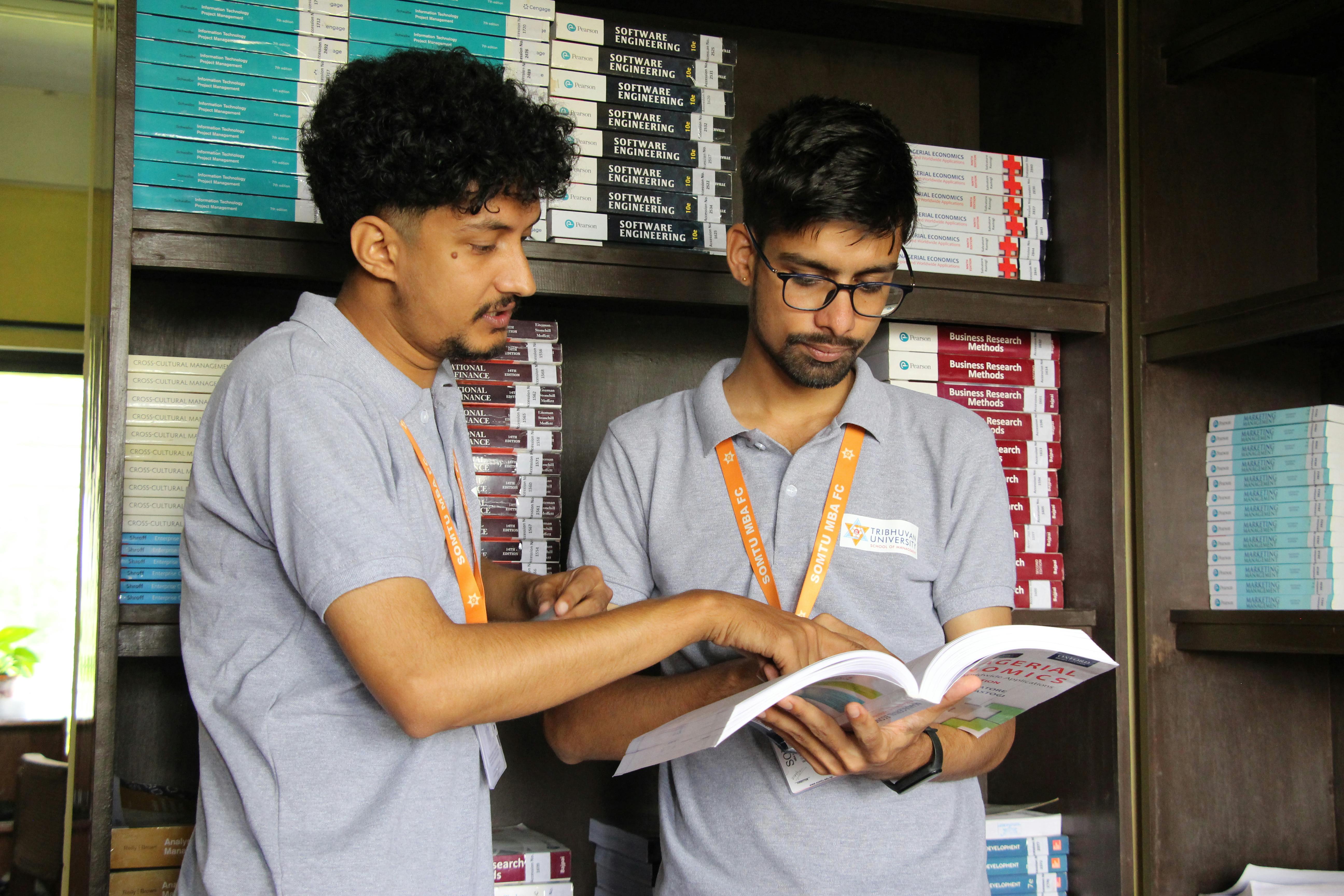
Complementing culture, the work environment refers to the physical and social conditions under which employees operate, including office design, available technology, collaboration norms, and support systems. A positive work environment enhances creativity, motivation, and well-being, while promoting effective teamwork and innovation. For MBA students entering the workforce, understanding both corporate culture and work environment is critical, as these factors shape career decisions, integration into organizations, and leadership effectiveness.
Understanding MBA Students
MBA students are a diverse cohort, ranging from mid-20s to mid-30s, with academic backgrounds spanning business, engineering, liberal arts, and sciences. This diversity brings multiple perspectives to the classroom, enriching discussions about organizational behavior, corporate culture, and workplace dynamics.
Their motivations for pursuing an MBA vary widely. Some seek advanced skills for career growth, others aim to switch industries, and many aspire to leadership positions. Factors such as increased earning potential, job security, and professional development also drive enrollment. These aspirations influence the type of corporate culture and work environment MBA students prioritize, often favoring organizations that are innovative, inclusive, ethical, and socially responsible.
Importance of Corporate Culture for MBA Students
Corporate culture plays a vital role in shaping MBA students’ workplace experience. Aligning personal values with an organization’s culture enhances job satisfaction, engagement, and commitment. MBA students, often driven and ambitious, thrive in workplaces that encourage collaboration, innovation, and professional growth. Companies that embrace diversity, sustainability, and ethical practices attract students seeking meaningful careers.
A positive corporate culture fosters open communication, teamwork, and creativity—qualities highly valued by MBA graduates. When the culture aligns with their ideals, students feel motivated, empowered, and prepared to contribute effectively to organizational goals.
Work Environment Perceptions
The work environment is equally significant in shaping MBA students’ perceptions of potential employers. Key factors include:
-
Flexibility: Options such as remote work or adjustable schedules enhance productivity and accommodate personal and professional commitments.
-
Work-life balance: A manageable workload supports sustainable career growth and overall well-being.
-
Physical workspace: Open layouts, quiet rooms, and functional technology contribute to collaboration and comfort.
-
Team dynamics: Supportive, inclusive, and collaborative teams encourage engagement and retention.
MBA students evaluate workplaces not only for immediate benefits but also for alignment with their long-term professional goals.
Factors Shaping Perceptions
Several factors influence MBA students’ views on corporate culture and work environment:
-
Professional experience: Internships and prior work provide firsthand exposure to organizational norms. Positive experiences reinforce desired workplace attributes, while negative encounters can create skepticism.
-
Peer influence: Class discussions and networks provide varied insights into workplace practices and culture.
-
Academic exposure: Case studies, lectures, and workshops teach students how corporate values manifest in real-world scenarios.
-
Media and online resources: News, social media, and company profiles shape expectations and perceptions of organizational culture.
Challenges for MBA Students
MBA students often encounter hurdles in navigating corporate culture:
-
Cultural misalignment: Organizations may have established norms that conflict with students’ personal values, requiring adjustment.
-
Toxic environments: High-pressure workplaces or unsupportive teams can negatively impact well-being and performance.
-
Conformity pressure: Students may struggle to balance individuality with organizational expectations, affecting creativity and confidence.
Strategies to Evaluate Corporate Culture
MBA students can employ several strategies to assess potential employers:
-
Interview questions: Ask about company values, management style, and success factors for employees.
-
Research: Use online platforms, company websites, and employee reviews to understand culture and work environment.
-
Networking: Connect with alumni or current employees for firsthand insights.
-
Observation: Attend recruitment events or office visits to gauge workplace dynamics and atmosphere.
Conclusion and Future Implications
MBA students increasingly seek workplaces that are inclusive, ethical, and aligned with their personal values. Corporate culture and work environment are decisive factors in job satisfaction, engagement, and long-term career success.
Organizations must recognize the importance of culture in attracting and retaining MBA talent. Companies that foster supportive, flexible, and transparent work environments are better positioned to engage high-potential professionals. For MBA students, aligning personal values with organizational culture ensures meaningful careers and the ability to contribute effectively to their workplaces.
Looking forward, businesses that adapt to evolving workforce expectations and prioritize employee well-being will gain a competitive edge, cultivating talent that thrives in dynamic, purpose-driven work environments.
