
Virtual reality (VR) is reshaping education by introducing immersive and interactive learning experiences. Unlike traditional teaching methods, VR allows students to explore environments such as historical landmarks, ocean depths, or outer space without leaving the classroom. This approach aligns with experiential learning, where students actively participate rather than passively absorb information. By engaging multiple senses, VR enhances understanding, improves retention, and makes learning more inclusive for diverse learners.
Benefits of Virtual Reality Field Trips
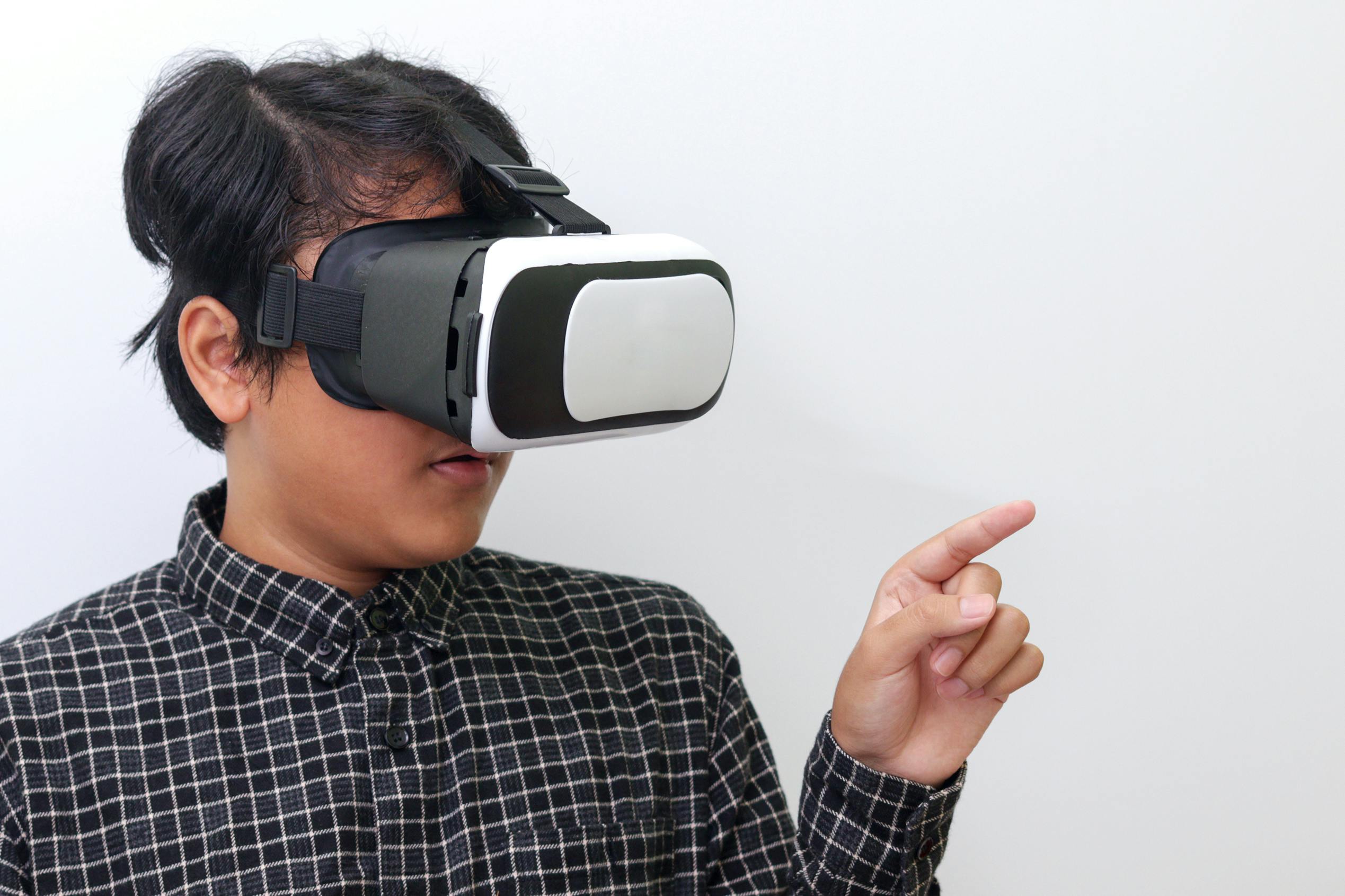
VR field trips offer significant advantages over conventional learning experiences. They improve accessibility, allowing students with physical limitations to explore places virtually. The immersive nature of VR also enhances knowledge retention by engaging students in multi-sensory experiences. Additionally, VR enables learners to visit locations that would otherwise be inaccessible, fostering curiosity and connecting theoretical concepts with real-world applications.
How VR Field Trips Work
VR field trips rely on advanced technology, including VR headsets and specialized software platforms. Devices like immersive headsets allow students to navigate 3D environments, while platforms provide guided tours, interactive features, and educational content. Teachers integrate these experiences into lessons by aligning them with curriculum objectives and preparing students for the virtual exploration. This combination of hardware and software creates engaging and interactive learning environments.
VR Field Trips Boost Student Engagement and Learning Outcomes
Many educational institutions have successfully implemented VR field trips across subjects. Students exploring ancient civilizations or marine ecosystems through VR report higher engagement and better retention of information. These experiences encourage curiosity, deepen understanding, and make learning more interactive. Schools have observed improved participation and enthusiasm, demonstrating the effectiveness of VR in enhancing educational outcomes.
Challenges and Limitations
Despite its benefits, VR in education faces several challenges. High costs of equipment and maintenance can limit accessibility for some institutions. Teachers also require proper training to effectively integrate VR into lessons. Technical issues, such as connectivity or device malfunctions, can disrupt learning experiences. Additionally, ensuring age-appropriate and curriculum-aligned content remains a critical consideration. Addressing these challenges is essential for maximizing VR’s potential.
Future Trends in VR Education
The future of VR in education looks promising with advancements such as haptic feedback, artificial intelligence, and online VR learning communities. Haptic technology will allow students to “feel” virtual environments, while AI can personalize learning experiences based on individual progress. Virtual communities will enable global collaboration, allowing students to interact and learn together regardless of location. These innovations are set to redefine how education is delivered.
Best Practices for Implementation
To effectively implement VR field trips, educators should ensure proper planning and resource management. Testing equipment beforehand, aligning VR content with learning objectives, and incorporating interactive elements can enhance student engagement. Post-experience discussions and assessments help reinforce learning outcomes. By combining preparation with reflection, educators can maximize the benefits of VR-based learning.
Student Perspectives on VR Learning
Students generally respond positively to VR learning experiences. Many report increased engagement, improved understanding, and better memory retention. The immersive nature of VR makes lessons more enjoyable and meaningful. However, some concerns such as limited access to technology and occasional discomfort highlight the need for careful implementation and accessibility planning.
Conclusion: The Future of Learning with VR
Virtual reality has the potential to revolutionize education by making learning more immersive, engaging, and inclusive. By providing interactive experiences that enhance understanding and retention, VR prepares students for real-world challenges. As technology continues to advance, integrating VR into education will open new possibilities, transforming how students learn and interact with knowledge.
