
A new generation of students is redefining the meaning of education by transforming ideas into practical solutions through technology, creativity, and hands-on learning. With growing access to digital tools, innovation programmes, and modern teaching methods, young minds are moving beyond traditional learning and becoming problem-solvers for real-world challenges.
Pic Credit: Pexel
Today’s students are not only preparing for future careers but are also developing solutions that can improve everyday life. From building smart devices to creating affordable solutions for community needs, young innovators are proving that curiosity and imagination can lead to meaningful change.
Education Beyond Textbooks
The modern learning environment is encouraging students to explore, experiment, and create. Instead of limiting education to classrooms and examinations, new-age learning methods focus on practical experiences where students understand problems, develop ideas, and test solutions.
Design thinking has become an important part of this transformation. It teaches students to observe challenges around them, understand people’s needs, think creatively, develop prototypes, and improve their ideas through continuous feedback.
This approach helps students become more confident, independent thinkers who can approach challenges with a solution-oriented mindset.
Technology Becomes a Tool for Creativity
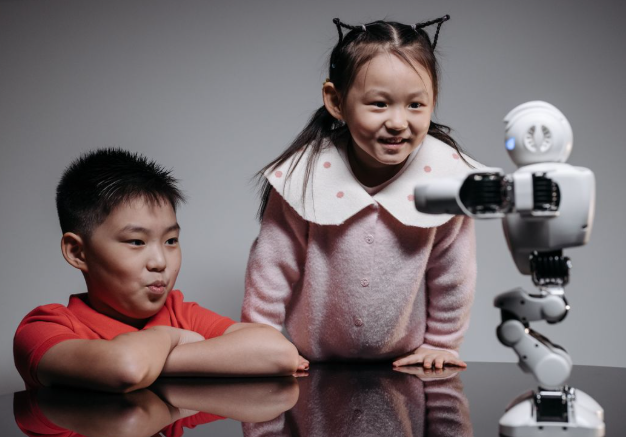
Advancements in technology are opening new possibilities for young learners. Students are using robotics, coding, artificial intelligence, 3D printing, and Internet of Things (IoT) tools to turn their concepts into working models.
Many young creators are developing projects focused on areas such as environmental protection, healthcare support, smart learning solutions, and community development.
These innovations show how technology, when combined with creativity, can become a powerful tool for solving social challenges.
Small Ideas, Big Impact
A remarkable aspect of student innovation is the focus on practical and affordable solutions. Many young innovators are adopting the idea of frugal innovation — creating useful products and solutions using simple resources.
These efforts demonstrate that innovation is not only about advanced laboratories or expensive equipment. A meaningful idea, combined with determination and guidance, can create solutions that benefit communities.
Developing Skills for Tomorrow’s World
Innovation-based education is helping students develop skills that go beyond academic knowledge. Through project-based learning, students learn how to analyse situations, work in teams, communicate ideas, and handle challenges.
They develop critical thinking by questioning existing methods and exploring new possibilities. Collaboration helps them understand different viewpoints, while facing failures during experiments teaches patience, resilience, and the ability to improve.
These skills are becoming increasingly important in a rapidly changing world driven by technology and innovation.
Support Systems Help Ideas Grow
The journey from an idea to a successful innovation requires proper guidance and support. Mentorship programmes, innovation centres, schools, and industry partnerships are helping students refine their ideas and understand practical applications.
With support from educators and experts, young innovators are gaining opportunities to develop their creativity and explore new fields.
A New Generation of Problem-Solvers
The rise of young innovators reflects a significant change in the education landscape. Students today are not just learning about the world — they are finding ways to improve it.
Their ability to combine technology, creativity, and social awareness is creating new opportunities for the future. As innovation becomes an important part of education, young minds are emerging as the architects of solutions that can shape society and drive progress.
The story of today’s young innovators is a reminder that when students are encouraged to explore and create, even a simple idea can become a powerful force for change.