
Hyderabad, Nov18: India needs to spend more on healthcare – and spend better. This was the central message of the presentation by Dr N. Jayaprakash Narayan, IAS, Founder of the Foundation for Democratic Reforms, while delivering the Dr V. Chandramowli Memorial Lecture at the Administrative Staff College of India, Hyderabad, on Tuesday.
Speaking on the theme, “Towards Viable Universal Healthcare – Effective, Accessible, Affordable,” Dr Jayaprakash Narayan highlighted the need to move beyond an overly hospital-centric approach and build a healthcare system that places greater emphasis on prevention, early detection and accessible primary care. The memorial lecture is endowed by the Essential Medical Services.
Highlighting India's progress in expanding healthcare coverage, he noted that out-of-pocket expenditure as a share of total health expenditure had declined from 64.2% in 2013–14 to 42.7% in 2023–24. He also referred to the expansion of Ayushman Bharat, under which 48.5 crore cards had been issued and 13.25 crore hospital admissions funded, involving expenditure of ₹2.03 lakh crore, as of September 2026.
At the same time, he drew attention to the growing burden of non-communicable diseases, including diabetes, hypertension, cardiovascular diseases, stroke and cancer, which now account for around two-thirds of deaths in India. He emphasised that prevention and early intervention are more cost-effective than treating advanced chronic conditions through hospital-based care.
As a way forward, Dr Jayaprakash Narayan proposed an integrated four-tier healthcare system to strengthen preventive, primary, secondary and tertiary healthcare:
- Tier 1 – Community Wellness Centres: Establishing community-level centres focused on preventive healthcare, physical and mental wellness, nutrition, health screening, immunisation and monitoring of non-communicable diseases.
- Tier 2 – Family Practitioner System: Developing a publicly funded, fee-for-service family practitioner network as the first point of contact for medical care, supported by affordable medicines, diagnostic facilities and a structured referral system.
- Tier 3 – Secondary Healthcare: Expanding access to affordable secondary care through universal coverage under public health insurance programmes, while empanelling smaller private nursing homes to improve access, particularly in smaller towns.
- Tier 4 – Tertiary Healthcare: Strengthening specialised government healthcare institutions, improving clinical and medical training, involving eminent doctors in teaching and mentoring, and building a stronger research ecosystem for advanced medical care.
Emphasising the importance of strengthening preventive and primary healthcare, he explained that early intervention and effective management of chronic conditions could reduce the need for expensive tertiary care and ease the financial burden on individuals and the public healthcare system.
Drawing lessons from the Singapore healthcare model, he highlighted the importance of universal coverage, personal responsibility for health, affordable pricing, strong primary care and an effective referral mechanism.
Presenting the financial implications of the proposed framework, Dr Jayaprakash Narayan estimated an investment requirement of approximately ₹2.13 lakh crore across preventive, primary, secondary and tertiary healthcare. Based on an assumption of 7% real GDP growth, this would amount to around 0.5% of GDP after five years. He proposed a phased rollout over three to five years to build institutional capacity while managing fiscal commitments.
Concluding his presentation, he stressed that India's healthcare challenge is twofold: increasing public investment in healthcare while ensuring that every rupee translates into better health outcomes, greater access and affordable, quality care.
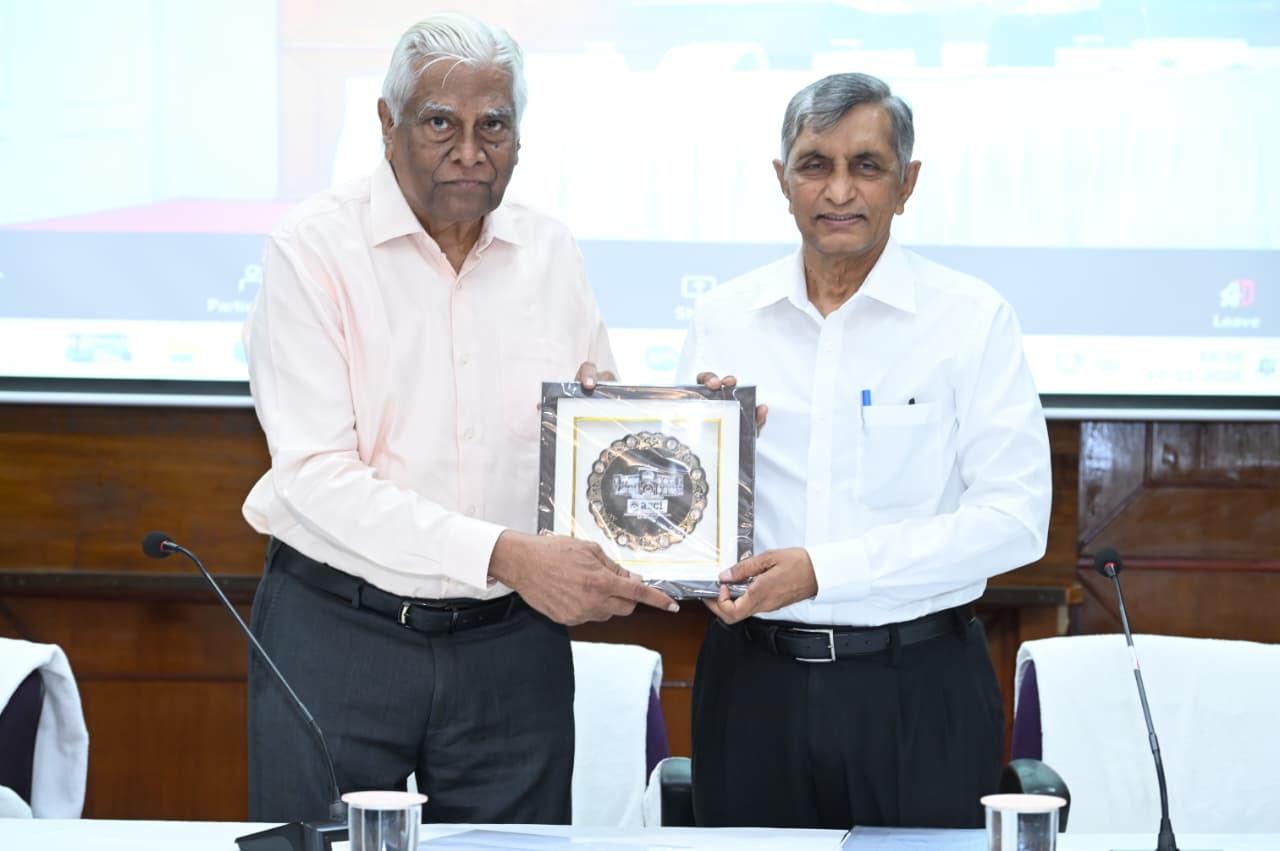
The lecture was attended by Shri Padmanabhaiah, IAS (Retd), Chairman, ASCI, and Dr N. Ramesh Kumar, IAS (Retd), Director General, ASCI. Shri Padmanabhaiah presented the ASCI memento to the guest speaker. Dr P. Nabhabhushanam, President, Essential Medical Services (Trust), proposed the vote of thanks.
The lecture underscored the importance of a comprehensive and financially sustainable approach to universal healthcare, with stronger preventive services, accessible primary care, effective referral systems and quality hospital services forming the foundation of a responsive healthcare ecosystem.