
In today’s competitive job market, theoretical knowledge alone is no longer sufficient for students to thrive professionally. Work-Integrated Learning (WIL) represents an educational approach that blends academic learning with practical workplace experience, providing students with the tools and skills necessary to succeed in their careers. By connecting classroom instruction with real-world applications, WIL serves as a bridge between academia and industry, enhancing employability and preparing students for the demands of the labor market.
Understanding Work-Integrated Learning
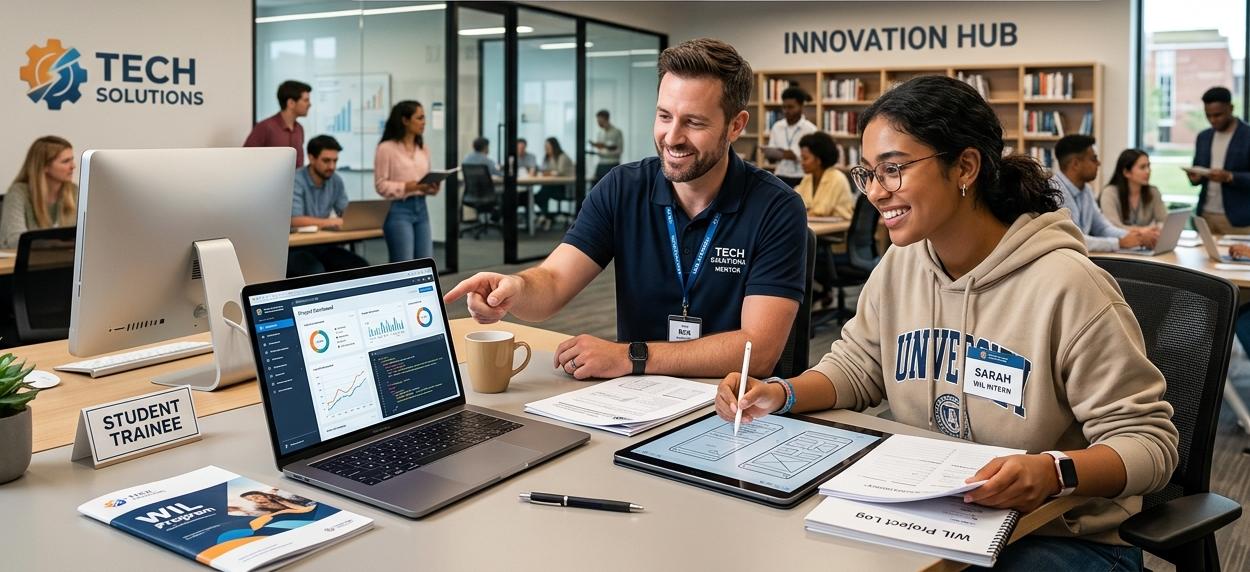
Work-Integrated Learning encompasses a range of programs designed to integrate practical work experience with formal education. Common models include internships, cooperative education (co-ops), apprenticeships, field placements, and service-learning projects. Each type offers students the opportunity to apply classroom knowledge in professional settings, developing both technical skills and essential soft skills such as communication, problem-solving, teamwork, and adaptability.
WIL benefits not only students but also employers. Organizations hosting students gain access to motivated talent while mentoring the future workforce. This reciprocal relationship strengthens both educational outcomes and industry readiness, creating a collaborative ecosystem where learning and professional development occur simultaneously.
Benefits of Work-Integrated Learning for Students
Enhancing Job Readiness
One of the primary advantages of WIL is improving students’ job readiness. Practical experience helps students understand workplace dynamics and expectations, making them more competitive candidates in the labor market. By bridging the gap between theory and practice, WIL ensures that students enter the workforce with confidence and a clear understanding of industry standards.
Developing Practical Skills
Through hands-on experiences, students reinforce classroom concepts and develop practical competencies applicable to their chosen fields. This experiential learning enhances critical thinking, problem-solving abilities, and professional judgment. Familiarity with industry tools and practices strengthens students’ skillsets, preparing them for real-world challenges.
Building Networks
WIL placements also create opportunities for networking. Students interact with professionals, peers, and mentors, establishing connections that can lead to internships, job offers, and career guidance. Building a professional network during WIL can provide long-term benefits, helping students navigate career pathways more effectively.
Earning While Learning
Many WIL programs offer financial compensation, allowing students to earn income while pursuing their education. This aspect not only alleviates financial pressure but also teaches students responsibility and time management, critical skills for balancing work and academic commitments.
Types of Work-Integrated Learning Programs
Internships
Internships are short-term placements, often lasting a few months, providing students with practical experience in their field. They may be paid or unpaid and typically involve projects that allow students to apply theoretical knowledge in real-world contexts.
Cooperative Education (Co-ops)
Co-op programs are structured arrangements where students alternate between academic study and paid work placements. Co-ops often extend over multiple semesters, giving students exposure to various facets of their industry while building a professional network.
Apprenticeships
Primarily offered in skilled trades and vocational fields, apprenticeships combine on-the-job training with classroom instruction. They usually span several years and result in recognized qualifications, equipping participants with both practical expertise and theoretical understanding.
Field Placements
Field placements are common in professions like education, social work, and healthcare. Students work under supervision in professional settings, gaining hands-on experience while honing their skills and understanding professional ethics.
Each WIL model provides unique benefits, allowing students to select programs that align with their career goals and personal development needs.
Finding Work-Integrated Learning Opportunities
Students can locate WIL opportunities through university career services, which often provide job postings, resume workshops, and guidance. Job fairs, online platforms like LinkedIn and Indeed, and networking with alumni or industry professionals are also effective ways to identify placements.
Active engagement on social media and professional networking platforms can reveal hidden opportunities not widely advertised. By being proactive and strategic, students can maximize the benefits of WIL programs.
Challenges of Work-Integrated Learning
While WIL offers numerous advantages, it also presents challenges. Balancing work and academic responsibilities can be stressful, requiring strong time management skills. Students may also face difficulties adapting to diverse workplace cultures, navigating unfamiliar professional environments, or managing competing deadlines.
Overcoming these challenges requires careful planning, effective prioritization, and leveraging available resources such as mentorship and institutional support programs. By developing resilience and adaptability, students can turn obstacles into opportunities for growth.
The Role of Employers
Employers play a pivotal role in WIL. By offering structured programs, mentorship, and clear learning objectives, organizations can provide meaningful experiences for students. Employers also benefit from access to motivated, innovative talent, potentially identifying future hires while enhancing their workforce development efforts.
A successful WIL program requires collaboration between educational institutions and employers, ensuring that students gain relevant skills while organizations meet evolving industry needs.
Success Stories
Real-life examples demonstrate the transformative power of WIL. For instance, a marketing student who interned at a digital agency gained practical experience that directly led to a career in marketing. An engineering student participating in a co-op program at a tech startup developed technical and teamwork skills that facilitated a smooth transition into full-time employment. Similarly, a nursing student’s hospital placement provided hands-on patient care experience, ultimately resulting in a job offer upon graduation. These cases highlight how WIL equips students with the knowledge, skills, and confidence necessary to thrive professionally.
The Future of Work-Integrated Learning
The future of WIL is evolving alongside technological advancements and shifting workplace norms. Remote internships and virtual collaborations are becoming increasingly common, allowing students to gain practical experience in digital work environments. Advanced learning tools, such as virtual reality simulations, offer immersive experiences that prepare students for real-world challenges.
Moreover, there is growing recognition of the importance of soft skills, including adaptability, communication, and collaboration. Integrating these skills into WIL programs ensures that graduates are not only technically proficient but also capable of navigating the interpersonal dynamics of modern workplaces.
Conclusion
Work-Integrated Learning (WIL) bridges the gap between academic theory and professional practice, giving students hands-on experience, essential skills, and networking opportunities that enhance employability. At the same time, employers benefit from access to motivated talent, creating a mutually rewarding system. As WIL evolves, it remains a key strategy for preparing adaptable, competent professionals ready to succeed and contribute meaningfully in a competitive job market.
