
Effective communication is a cornerstone of nursing practice, directly influencing patient safety, satisfaction, and overall care outcomes. As primary points of contact within the healthcare system, nurses must communicate clearly, compassionately, and accurately. Recognizing this, modern nursing education increasingly emphasizes the development of communication skills, ensuring that nursing students are well-prepared to engage with diverse patient populations and healthcare teams. Proficient communication not only fosters therapeutic relationships but also reduces the likelihood of errors and enhances collaboration within clinical settings.
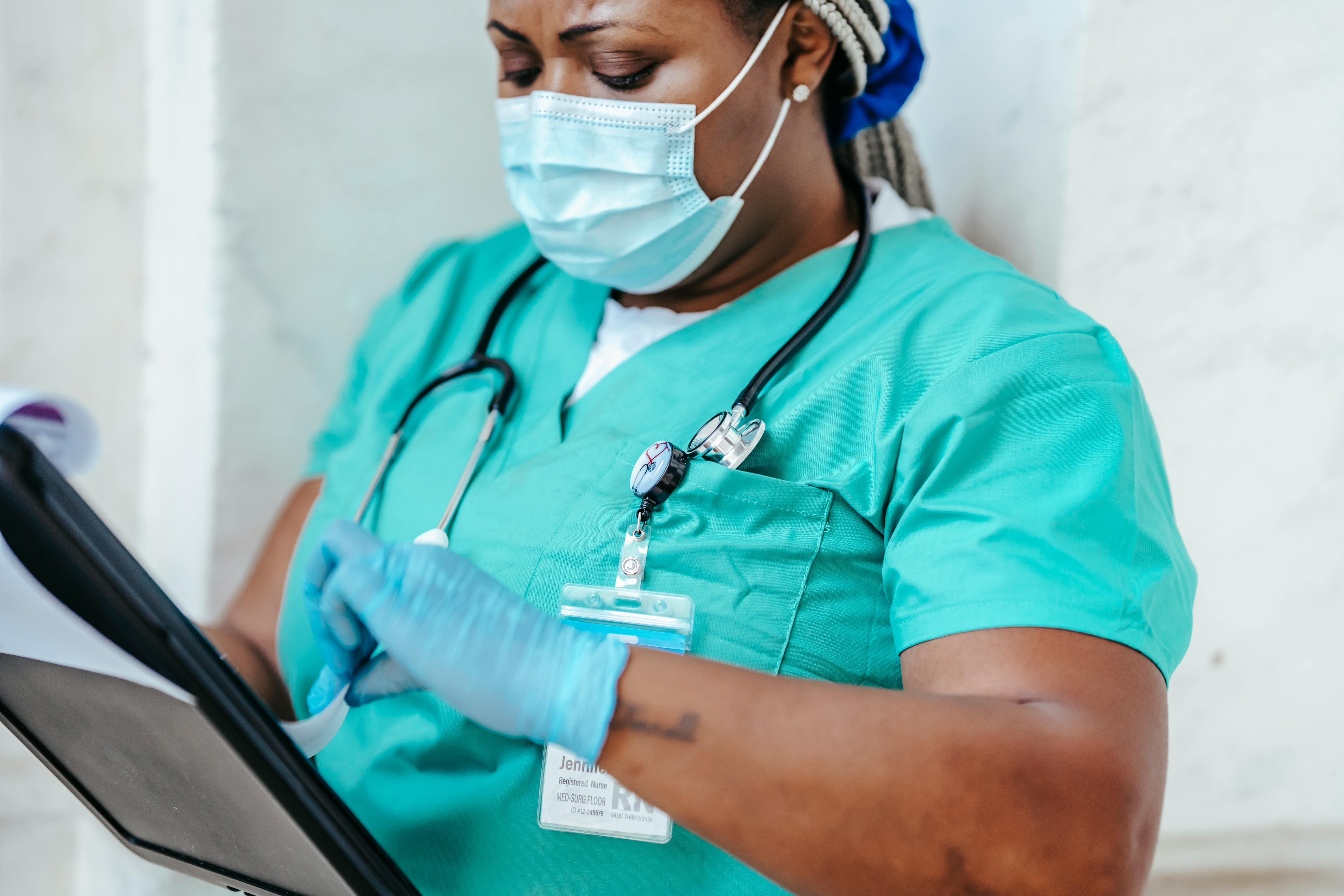
The Role of Nursing Students
Nursing students are a diverse group, often ranging in age from the mid-20s to mid-30s, and coming from varied educational and professional backgrounds. They pursue nursing education to advance their skills, enter new healthcare fields, or assume leadership roles. These students value workplaces that promote ethical practices, inclusivity, and professional growth, and they aim to cultivate meaningful patient interactions. Understanding the demographic and educational profiles of nursing students helps educators tailor curricula that align with their expectations and professional aspirations.
Challenges Faced by Nursing Students
Nursing students often encounter several barriers while developing clinical communication skills:
1. Lack of Confidence:
Students may feel intimidated when interacting with patients, especially in high-pressure environments such as emergency wards or intensive care units.
2. Language and Cultural Differences:
In diverse healthcare settings, differences in language and cultural backgrounds can hinder effective communication.
3. Limited Practical Exposure:
While theoretical knowledge is emphasized in classrooms, students may have fewer opportunities to practice real-life communication scenarios.
4. Fear of Making Mistakes:
The fear of saying something wrong or being judged by senior staff can restrict open communication.
5. Emotional Stress:
Handling critically ill patients or emotionally charged situations can overwhelm students, affecting their communication abilities.
Key Components of Effective Clinical Communication
To enhance communication skills, nursing students must focus on several core components:
1. Active Listening:
Listening attentively to patients without interruption helps in understanding their concerns and building trust.
2. Empathy and Compassion:
Demonstrating genuine care and understanding strengthens the nurse-patient relationship.
3. Clarity and Simplicity:
Using clear, simple language ensures that patients understand their condition and treatment.
4. Non-Verbal Communication:
Body language, eye contact, and facial expressions play a significant role in conveying messages.
5. Documentation Skills:
Accurate and timely recording of patient information is crucial for continuity of care.
Role of Education and Training
Educational institutions play a vital role in shaping the communication abilities of nursing students. Integrating communication training into the curriculum can significantly improve outcomes.
Simulation-Based Learning:
Simulated clinical environments allow students to practice communication in a safe, controlled setting. Role-playing scenarios help them develop confidence and refine their responses.
Workshops and Seminars:
Interactive sessions focused on communication techniques, cultural sensitivity, and patient engagement can enhance learning.
Mentorship Programs:
Guidance from experienced nurses helps students observe and learn effective communication practices in real clinical settings.
Feedback Mechanisms:
Constructive feedback from instructors and peers enables students to identify areas for improvement.
Impact of Technology on Clinical Communication
The integration of technology in healthcare has transformed communication practices. Electronic health records (EHRs), telemedicine, and mobile health applications have streamlined information sharing. However, they also present new challenges for nursing students.
While technology improves efficiency, it can sometimes reduce face-to-face interaction with patients. Nursing students must learn to balance digital communication with personal engagement to maintain a patient-centered approach.
Strategies to Enhance Communication Skills
To improve clinical communication, nursing students can adopt the following strategies:
1. Practice Regularly:
Engaging in role-plays, group discussions, and clinical simulations helps build confidence.
2. Seek Feedback:
Actively requesting feedback from instructors and peers allows for continuous improvement.
3. Reflect on Experiences:
Reflective practice helps students analyze their communication strengths and weaknesses.
4. Develop Cultural Competence:
Understanding diverse cultural perspectives enhances patient interaction and reduces misunderstandings.
5. Improve Language Skills:
Strengthening language proficiency ensures clarity and reduces communication barriers.
6. Manage Stress Effectively:
Techniques such as mindfulness and time management can help students remain calm and focused.
Findings from Studies
Nursing students' communication skills indicates that structured training programs significantly improve both confidence and competence. Students who participated in simulation-based training demonstrated better patient interaction, clearer communication, and improved problem-solving abilities.
Additionally, studies highlight the importance of early exposure to clinical environments. Students who engage in patient interactions from the beginning of their training tend to develop stronger communication skills compared to those with limited exposure.
Implications for Healthcare Practice
Enhancing clinical communication skills among nursing students has long-term benefits for healthcare systems. Skilled communicators contribute to improved patient satisfaction, reduced medical errors, and better team collaboration.
Hospitals and healthcare institutions should collaborate with educational bodies to ensure that communication training aligns with real-world clinical demands. Continuous professional development programs can further support nurses in refining their skills throughout their careers.
Conclusion
Clinical communication is a cornerstone of effective nursing practice. For nursing students, mastering this skill is essential for delivering safe, compassionate, and patient-centered care. Despite the challenges they face, targeted training, practical exposure, and continuous feedback can significantly enhance their communication abilities.As healthcare continues to evolve, the importance of strong communication skills will only grow. By prioritizing communication training in nursing education, we can empower future nurses to provide high-quality care and build meaningful connections with their patients.
