
Emotional Intelligence (EI) is the ability to recognize, understand, manage, and effectively utilize emotions in oneself and others. It encompasses five core components: self-awareness, self-regulation, motivation, empathy, and social skills. Each element plays a pivotal role in helping children engage positively with the world, laying the foundation for resilience, compassion, and healthy social relationships.
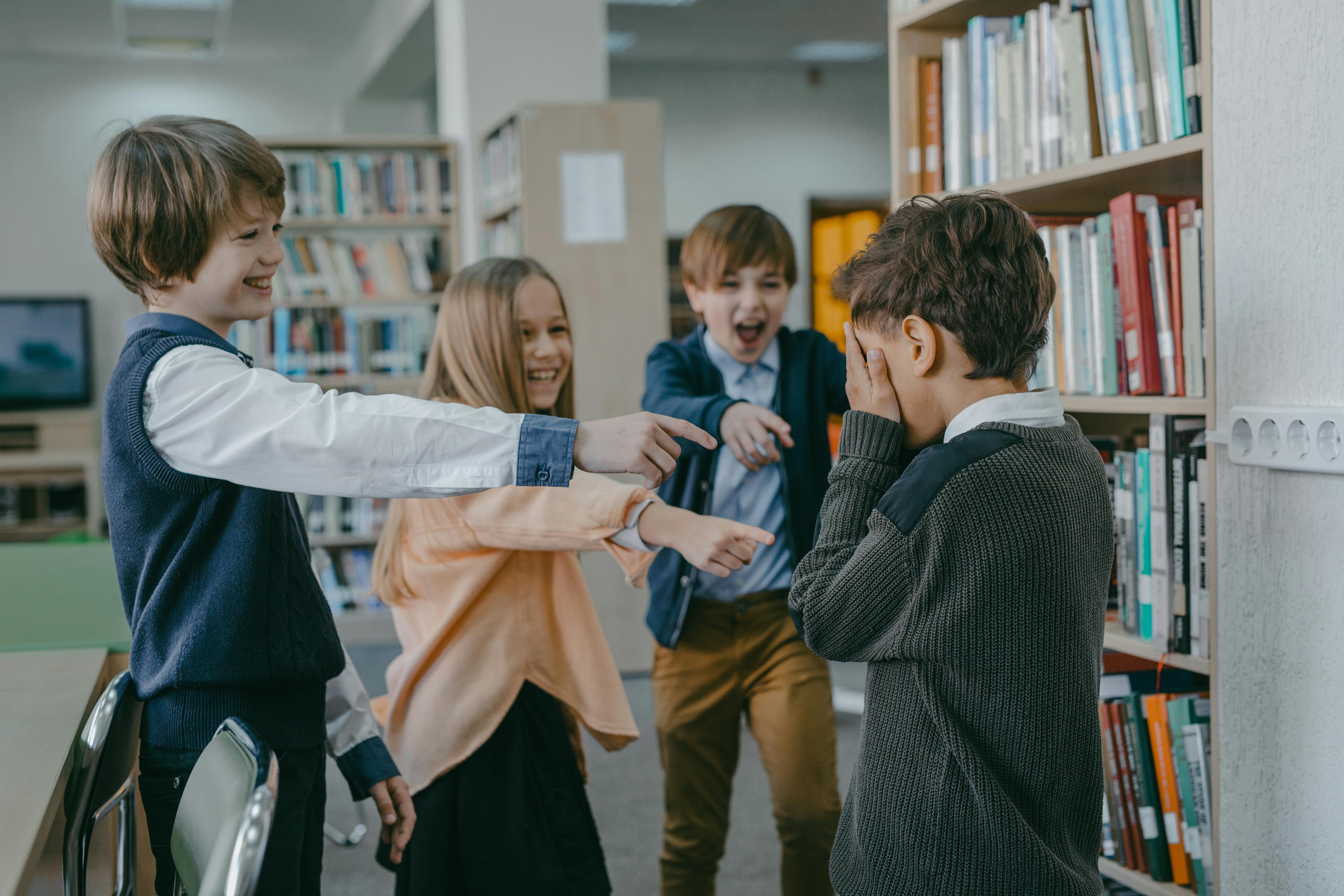
Understanding the Importance of Emotional Intelligence
Emotional intelligence is fundamental to childhood development, influencing mental health, academic performance, and social interactions. Children who develop EI tend to exhibit better stress management, increased empathy, and improved problem-solving abilities. High EI also correlates with stronger academic outcomes, as children with emotional awareness are better equipped to navigate challenges, manage frustration, and collaborate with peers.
Furthermore, emotional intelligence fosters healthier relationships. Children who can identify and articulate their emotions are more capable of understanding others, resolving conflicts constructively, and creating supportive social networks. Cultivating these skills early sets the stage for lifelong well-being and personal growth.
Core Components of Emotional Intelligence in Children
1. Self-Awareness
Self-awareness is the ability to recognize one’s emotions and understand how they influence behavior. Children with strong self-awareness can articulate feelings of happiness, frustration, or sadness, which promotes better communication and deeper connections with peers and caregivers.
2. Self-Regulation
Self-regulation involves managing emotions and impulses, enabling children to respond thoughtfully rather than react impulsively. Developing this skill helps children cope with stress, adapt to change, and maintain emotional balance in challenging situations.
3. Motivation
Motivation refers to using emotions to drive goal-directed behavior. Children with intrinsic motivation are resilient, persistent, and more likely to pursue meaningful objectives despite setbacks.
4. Empathy
Empathy is the ability to recognize and understand the emotions of others. Empathetic children can form stronger social bonds, provide support to peers, and cultivate a sense of community.
5. Social Skills
Social skills encompass the behaviors needed to build and maintain healthy relationships. These include effective communication, teamwork, conflict resolution, and the ability to navigate social complexities with confidence.
Recognizing Emotional Intelligence in Children
Children with developed EI often display the following traits:
- Appropriate emotional expression: They can articulate feelings without resorting to tantrums or withdrawal.
- Stress management: They employ coping strategies when faced with challenges rather than reacting aggressively or passively.
- Empathy: They recognize and respond sensitively to the emotions of others.
- Social awareness: They read social cues effectively and navigate interactions with ease.
Identifying these traits helps caregivers and educators tailor support to strengthen emotional growth.
Strategies to Nurture Emotional Intelligence
- Role-Playing: Acting out scenarios helps children explore emotions, develop empathy, and practice social interactions.
- Storytelling: Reading or sharing stories enables children to relate to characters’ emotions, expanding their emotional vocabulary.
- Mindfulness Practices: Techniques like deep breathing or guided imagery teach children to pause, reflect, and regulate emotions.
- Open Communication: Encourage children to express feelings freely using tools like emotion charts or feelings wheels to facilitate dialogue.
- Positive Modeling: Adults can demonstrate emotional awareness and empathy, showing children that emotions are valid and manageable.
The Role of Parents and Caregivers
Parents and caregivers are critical in developing EI. Their own emotional behavior models healthy expression and management. Responding empathetically to a child’s feelings reinforces self-esteem and resilience. Creating safe, judgment-free environments where children can articulate their emotions is equally essential, whether through conversations, storytelling, or shared activities.
Building Resilience Through Emotional Intelligence
Emotional intelligence underpins resilience, helping children adapt to setbacks and challenges. Key EI skills like self-awareness, self-regulation, social awareness, and relationship management equip children to navigate adversity constructively. Teaching problem-solving, encouraging emotional expression, and promoting empathy fosters a strong emotional foundation that enables children to face life with confidence and perseverance.
Fostering Compassion and Empathy
Empathy, a central component of EI, helps children build meaningful connections. Modeling compassionate behavior, engaging in community activities, and discussing diverse perspectives teach children to appreciate and respond to the emotions of others. Storytelling and open dialogue about feelings further reinforce empathy, creating a culture of understanding and cooperation.
Tools and Resources
Supporting emotional intelligence development can be enhanced with resources such as:
- Books: Age-appropriate literature that explores emotions, such as The Color Monster by Anna Llenas, encourages discussion and self-reflection.
- Interactive Games: Activities that focus on feelings and social skills promote experiential learning.
- Workshops: Programs for parents, teachers, and children provide structured guidance in empathy-building and emotional regulation.
- Digital Tools: Apps like Smiling Mind offer guided mindfulness and emotional exercises tailored for children.
Conclusion
Nurturing emotional intelligence in children is a vital, ongoing process that equips them with the tools to thrive emotionally, socially, and academically. By fostering self-awareness, empathy, and social skills, parents, caregivers, and educators prepare children to face challenges with resilience and compassion. Prioritizing emotional growth today lays the foundation for a more empathetic, capable, and resilient generation tomorrow.
