
Artificial intelligence (AI) is transforming a wide range of industries, and education is no exception. At its essence, AI involves the creation of systems capable of simulating human intelligence, including learning, reasoning, and self-correction. These capabilities allow machines to perform tasks traditionally requiring human intellect. In education, AI appears in forms such as personalized learning platforms, intelligent tutoring systems, and automation of administrative tasks.
Applications of AI in the Classroom
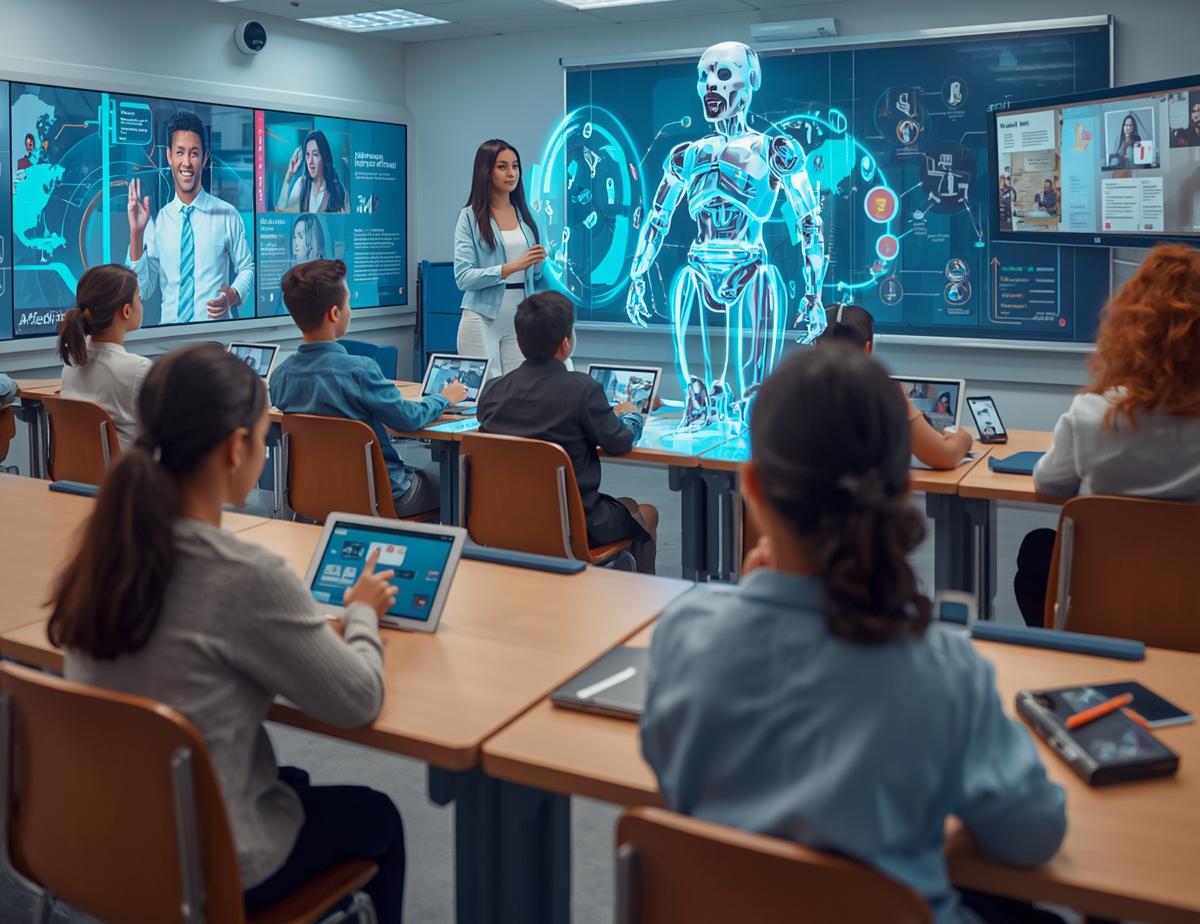
AI has the potential to reshape classroom experiences. Adaptive learning technologies, for example, adjust educational content to suit the needs of individual students, allowing them to progress at their own pace. This approach encourages a deeper comprehension of subjects while optimizing learning paths based on real-time performance data. Beyond academic support, AI tools assist teachers by automating grading, tracking student engagement, and generating actionable insights, freeing educators to focus on instruction and meaningful interactions.
Why AI Matters in Education
Understanding AI’s role is increasingly important for parents and educators. By integrating AI into learning environments, education can become more inclusive, responsive, and engaging. AI tools also enable early identification of students who may require extra support, allowing timely interventions that improve outcomes. As technology evolves, AI is poised to offer innovative solutions to persistent educational challenges, enhancing both teaching and learning.
Benefits of AI in Learning
One of AI’s greatest advantages is its ability to provide personalized learning. By analyzing data on student performance and preferences, AI can tailor content to individual needs, supporting slower learners while challenging advanced students.
Additionally, AI enhances administrative efficiency. Routine tasks like grading, attendance, and report generation can be automated, giving teachers more time to engage with students and develop creative instructional strategies.
AI also fosters student engagement. Interactive tools and instant feedback systems allow learners to correct mistakes in real time, reinforcing comprehension and encouraging critical thinking. By improving engagement and academic performance, AI supports the development of essential skills like problem-solving and independent thinking.
Risks and Challenges of AI in Education
While AI offers numerous advantages, it comes with potential risks. Data privacy is a primary concern, as AI systems rely on large volumes of personal information, which may be vulnerable to misuse or unauthorized access.
Bias in AI algorithms presents another challenge. If systems are trained on biased datasets, they may perpetuate inequalities, affecting grading, support, or resource allocation. Over-reliance on AI is also a concern, as excessive dependence could reduce students’ critical thinking and problem-solving skills if learners defer too much to automated assistance.
Recognizing these challenges enables educators and parents to implement AI responsibly, ensuring it complements rather than replaces traditional learning methods.
Ensuring Safe AI Use
Safety measures are critical when integrating AI into education. Selecting age-appropriate and secure applications is the first step, ensuring tools align with educational goals without exposing students to unsuitable content. Compliance with regulations such as FERPA and COPPA safeguards student information.
Monitoring students’ interactions with AI is equally important. Reviewing the content and feedback students receive, as well as discussing safe digital practices, encourages responsible engagement. An environment that promotes dialogue about technology use supports both learning and safety.
Promoting Digital Literacy and Critical Thinking
As AI becomes more prevalent, digital literacy is essential. Students must not only know how to use technology but also critically evaluate information and understand AI systems’ workings. Educators can teach students to assess sources for credibility, bias, and reliability while explaining foundational AI concepts like algorithms, data use, and ethics.
Parents can support this learning by encouraging discussions at home, fostering curiosity, and promoting analytical thinking about digital content. These skills ensure students engage thoughtfully with technology rather than passively consuming it.
Setting Boundaries for Healthy AI Use
To balance benefits and risks, clear boundaries for AI use are essential. Limiting screen time based on age and establishing structured AI activity periods can prevent over-dependence. Monitoring usage, discussing experiences, and promoting alternative learning methods—such as reading, hands-on projects, and social interaction—help maintain a well-rounded educational experience.
Preparing Students for the Future
As AI becomes integral to work and life, students need skills that allow them to collaborate with, rather than compete against, technology. Key competencies include technological literacy, creativity, emotional intelligence, and teamwork. Understanding coding, data analysis, and AI applications equips students for future careers, while fostering creativity, communication, and collaboration ensures they can adapt to evolving demands.
Resources for Educators and Parents
Several platforms provide guidance on AI integration in education. Edutopia offers practical examples of technology in the classroom. Common Sense Education reviews AI tools and provides safety guidance. The AI Resources Hub offers courses and tutorials for teachers and parents, while EDUCAUSE Review publishes research-based insights on digital education. Utilizing these resources helps adults navigate AI safely and effectively.
Conclusion: Embracing AI Responsibly
AI offers exciting possibilities in education, but it requires careful, ethical, and balanced implementation. Educators and parents must guide students in critical and responsible use, ensuring safety, fairness, and transparency. By combining innovation with ethical practices, AI can enhance learning, prepare students for the future, and foster a technologically literate generation capable of thriving in an AI-driven world.
